Recycled furniture
Recycled Furniture: a sustainable alternative for professionals
Recycled furniture: far more than a trend
Recycled furniture is no longer just an eco-friendly trend. Today it is a durable, high-performing alternative for companies, the public sector and the hospitality trade (cafés, hotels, restaurants). Faced with growing environmental-responsibility requirements - the AGEC law, CSR standards, environmental certifications - choosing furniture made from recycled materials is becoming a strategic necessity as much as a statement of values.
But how do you bring recycled furniture into your space without compromising on design, sturdiness or function? Which materials should you favour? And above all, which solutions best suit professionals? This practical, focused guide shows you how to make the most of your spaces with recycled furniture.
Why choose recycled furniture in a professional setting?
Adopting recycled furniture helps companies and public bodies meet their sustainability and corporate social responsibility (CSR) goals. Organisations that opt for furniture in recycled materials:
- Reduce their carbon footprint by limiting the extraction of new natural resources
- Contribute to the circular economy by giving already-used materials a second life
- Comply with current environmental standards and anticipate future regulations
- Strengthen their brand image with customers and partners who care about environmental issues
Contrary to popular belief, professional recycled furniture involves no compromise on sturdiness, looks or lifespan. It meets the same strength and safety requirements as conventional furniture - and often exceeds them, thanks to manufacturing innovations.
Since the AGEC law, public buyers must include at least 20% of furniture from reuse or containing recycled materials in their purchases. This share will rise to 25% by 2030.
Which materials make quality recycled furniture?
The professional recycled furniture market draws on several material families, each with its own characteristics.
- Recycled wood: comes from old furniture, pallets, building sites or factory offcuts. It brings a warm, natural look. Choose it with FSC Recycled certification to guarantee a responsible origin.
- Recycled plastic: made from recycled PET bottles, food packaging and industrial plastics. Resistant to impact, moisture and UV. Used for chairs, stools and acoustic panels.
- Recycled metal (steel and aluminium): recovered from the automotive industry, building sites and household appliances. 100% recyclable with no loss of quality - ideal for office frames, table legs and chair frames.
- Composite and innovative eco-materials: blends of recycled plastics, plant fibres and bio-based materials. They offer great flexibility in design and technical performance.
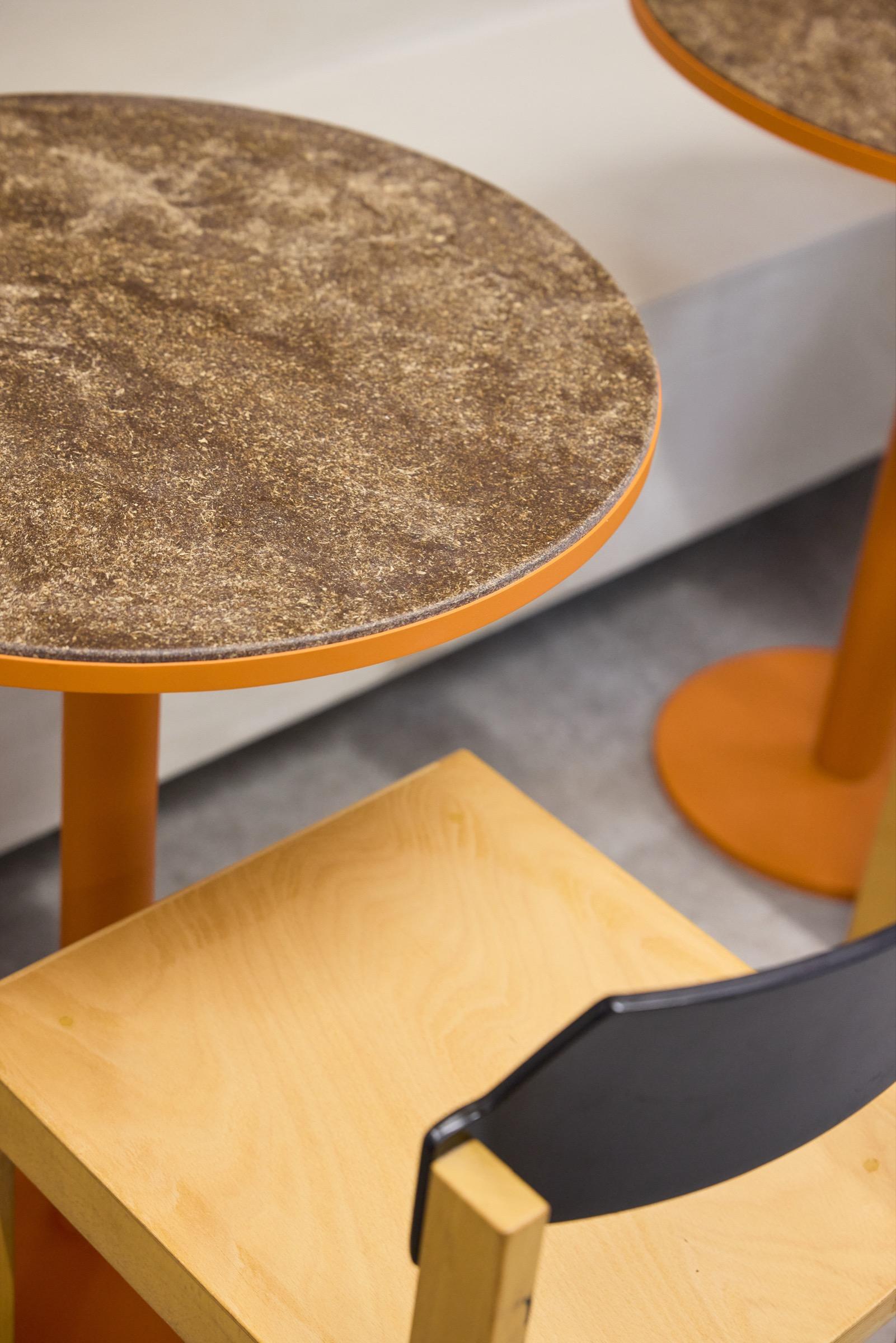
Instead developed Balt®, a composite eco-material in this last category: made in Nantes from brewers' spent grain and recycled bio-based food packaging, with no petrochemical resin.
Which types of recycled furniture for professionals?
Professional recycled furniture now covers every need of companies and the public sector.
Recycled furniture for offices and coworking spaces
- Desks in recycled wood with recycled-steel legs.
- Ergonomic chairs in recycled plastic, comfortable and durable.
- Acoustic partitions in recycled composite materials to aid concentration.
Materials free of VOCs and formaldehyde, suited to enclosed workspaces, with a documented carbon footprint for CSR reporting.
Recycled furniture for restaurants and cafés
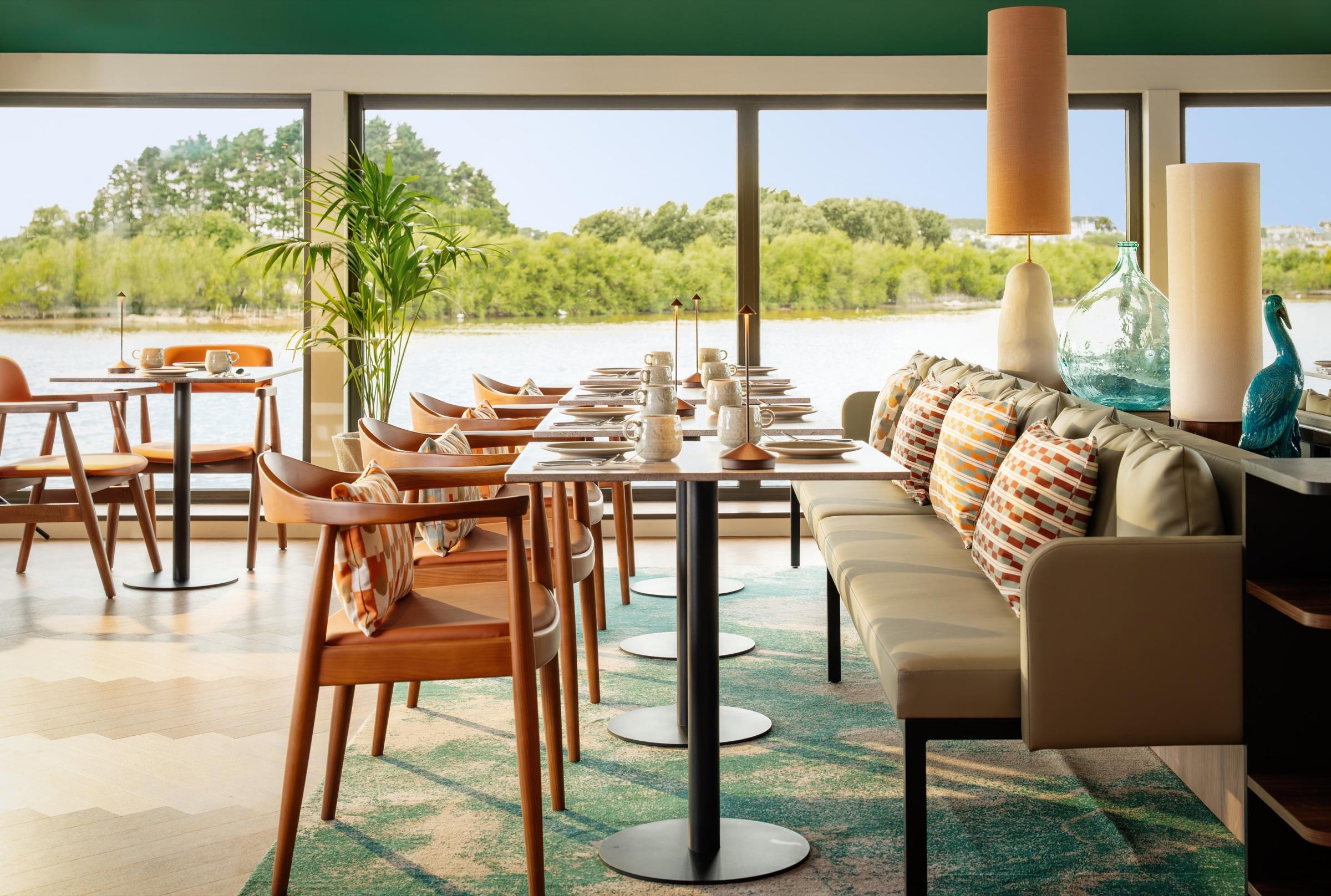
- Table tops in recycled wood or plastic, resistant to liquids and wear.
- Stools and chairs in high-density recycled plastic, easy to maintain.
- Counters and bars in recycled metal, for an authentic industrial style.
Recycled furniture resistant to liquids and heavy wear. Easy to maintain, with surfaces that meet hygiene requirements.
Recycled furniture for the public sector and public buildings
- Benches and picnic tables in recycled plastic, sturdy and durable.
- Stackable chairs in recycled metal, perfect for multipurpose halls and schools.
- Storage units in recycled wood, combining looks and function.
Certifications compatible with public-procurement criteria (French manufacture, independent LCA).
How to choose your recycled furniture supplier?
Several criteria help tell quality recycled furniture apart from a product that relies on green marketing alone.
- Check the environmental labels: FSC Recycled, EU Ecolabel, NF Environnement, Éco-Impact. Ask for hard figures on the product's real impact - not just a label.
- Favour local suppliers to limit the carbon impact of transport and make follow-up and after-sales service easier.
- Opt for durable, repairable furniture with spare parts available, to maximise lifespan and cut replacement costs.
- Ask for guarantees on the strength and upkeep of the materials, and make sure the furniture meets the safety standards of your sector.
Instead certifies its entire range Éco-Impact A across 71 Life Cycle Assessment criteria, with products 100% made in France. Environmental data sheets are available on request.
Recycled furniture and design: a false dilemma
Ecological commitment and aesthetic standards are still often set against each other. It is a false dilemma. High-end recycled furniture is recognised by the quality of its material, the precision of its lines and its ability to sit within an ambitious interior-design scheme - not by a token “recycled look”. Recycled material is not a compromise: it is a signature, provided it is worked as one.
Our range
The recycled furniture range
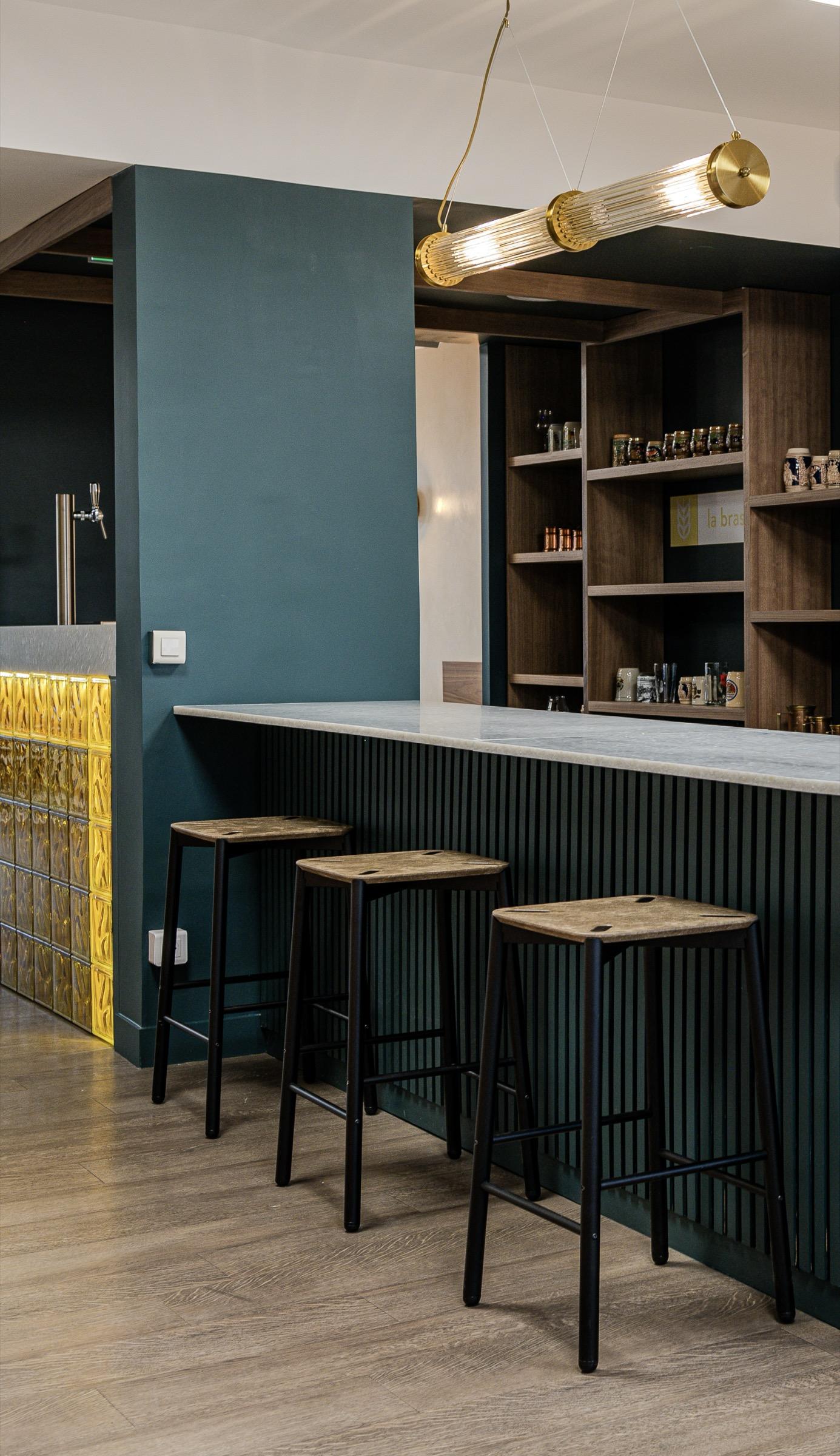
Bar stool
Newport Stool
The first sustainable bar stool made entirely in France from the grain left over from brewing beer.
From 217 € excl. VAT
View details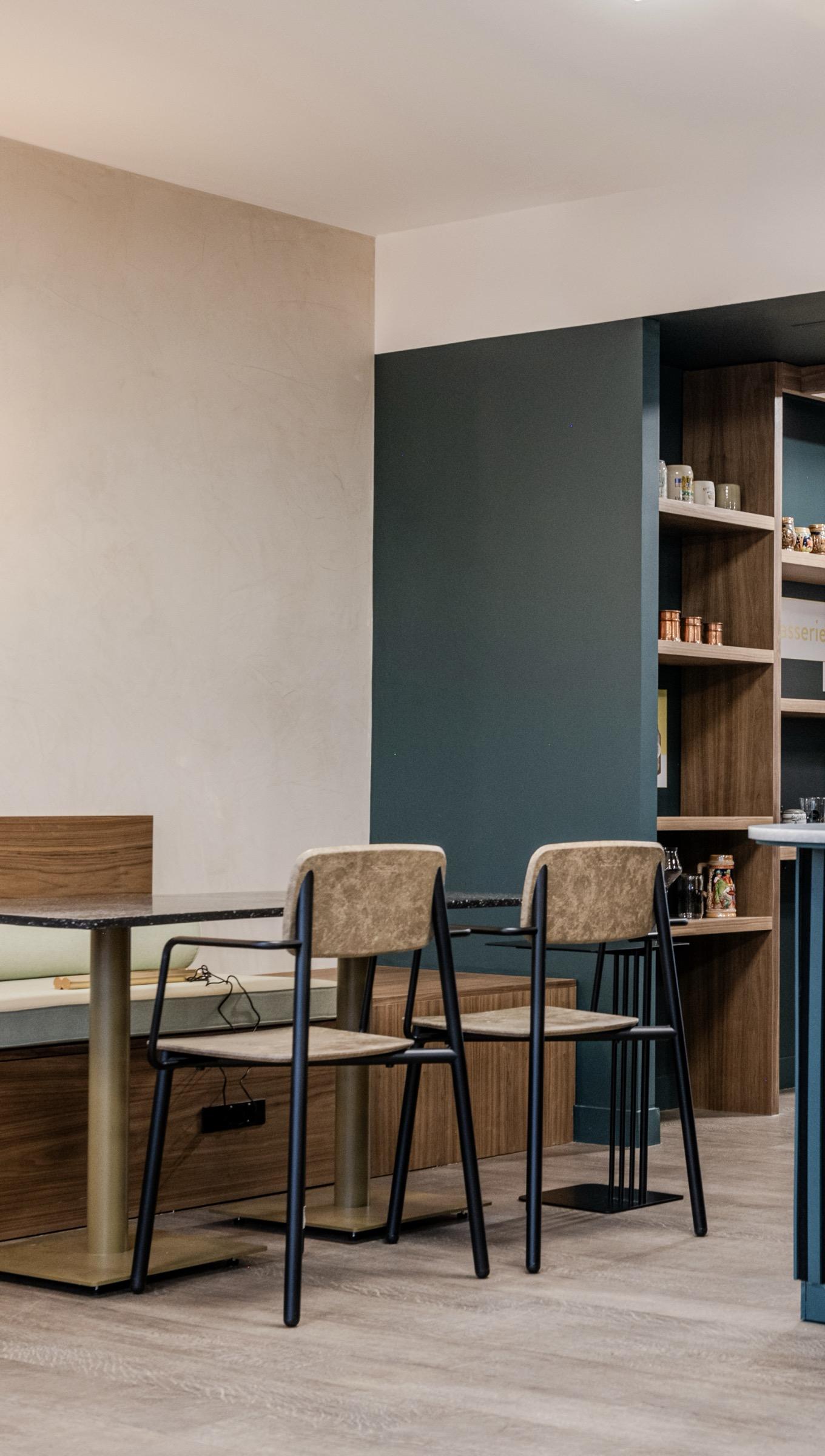
Chair
Ella Chair
The Ella chair is the result of years of work to design a sustainable chair made 100% in France.
From 309 € excl. VAT
View details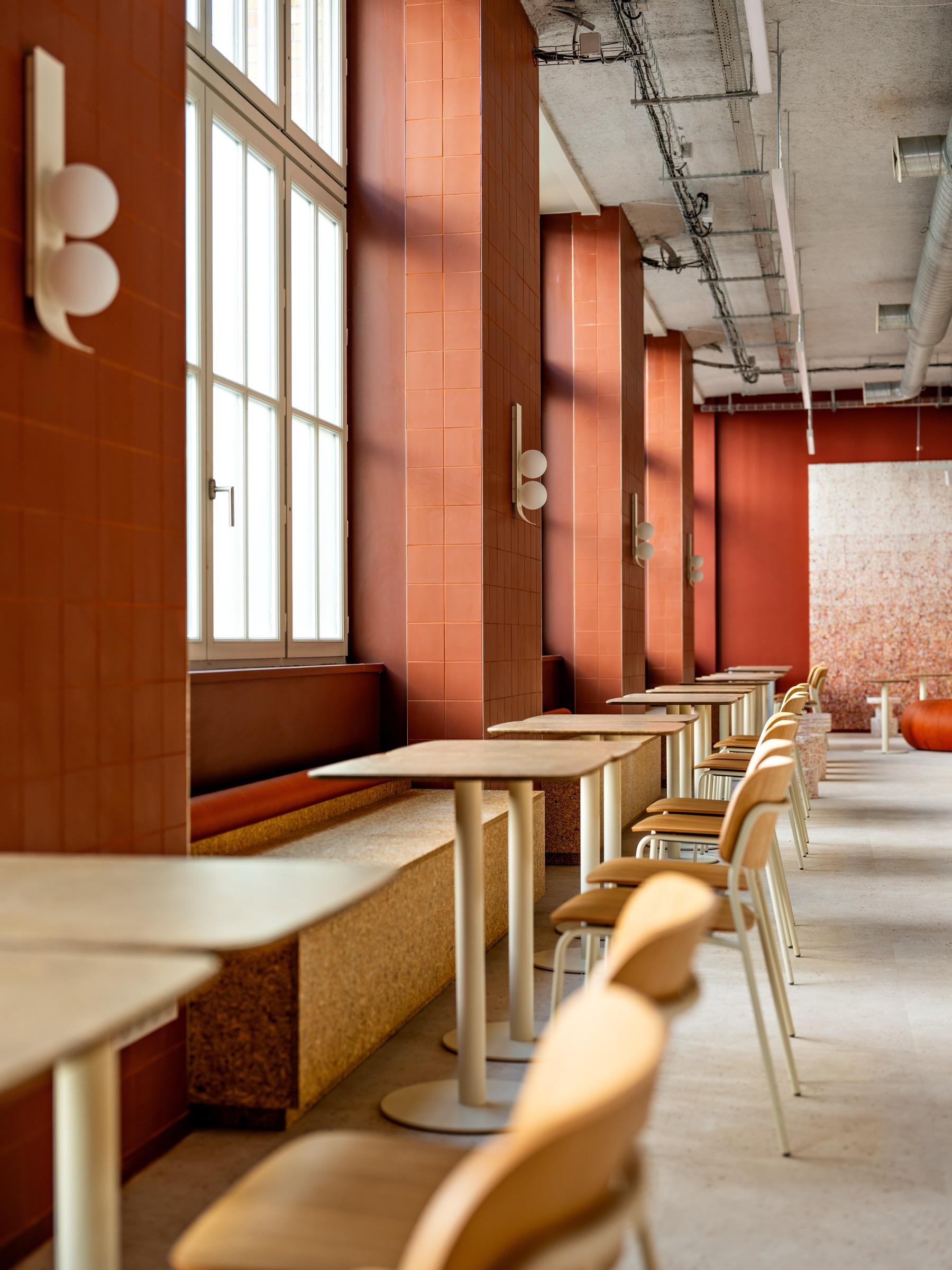
Modular table
Cicero Table
The Cicero table reinvents the bistro table in a low-carbon version.
From 341 € excl. VAT
View detailsClient references
They chose recycled furniture
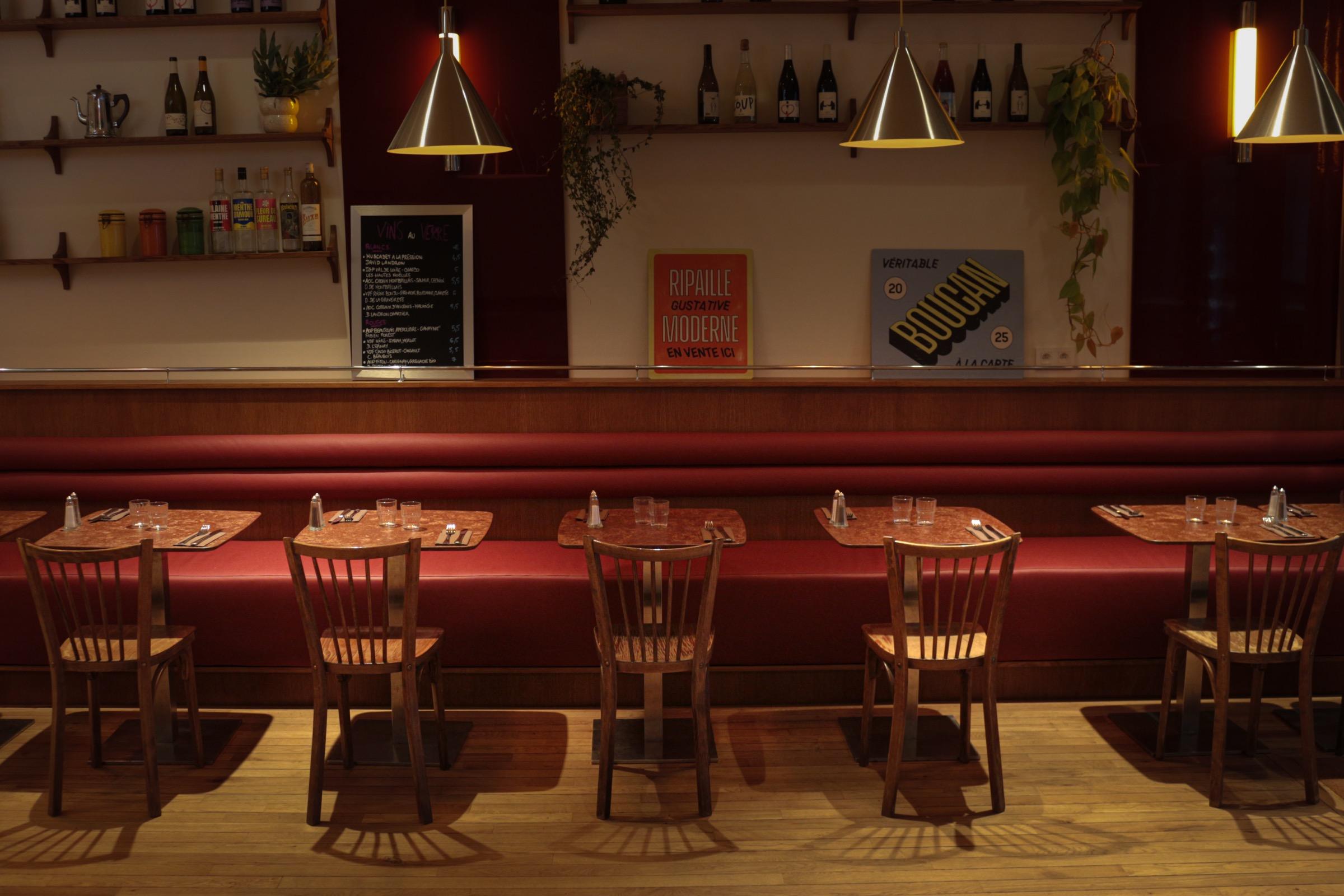
Boucan
Bar & BrewpubNantes, France
Boucan bar in Nantes fitted out with Newport bar stools and Cicero tables in recycled Balt®.
View the project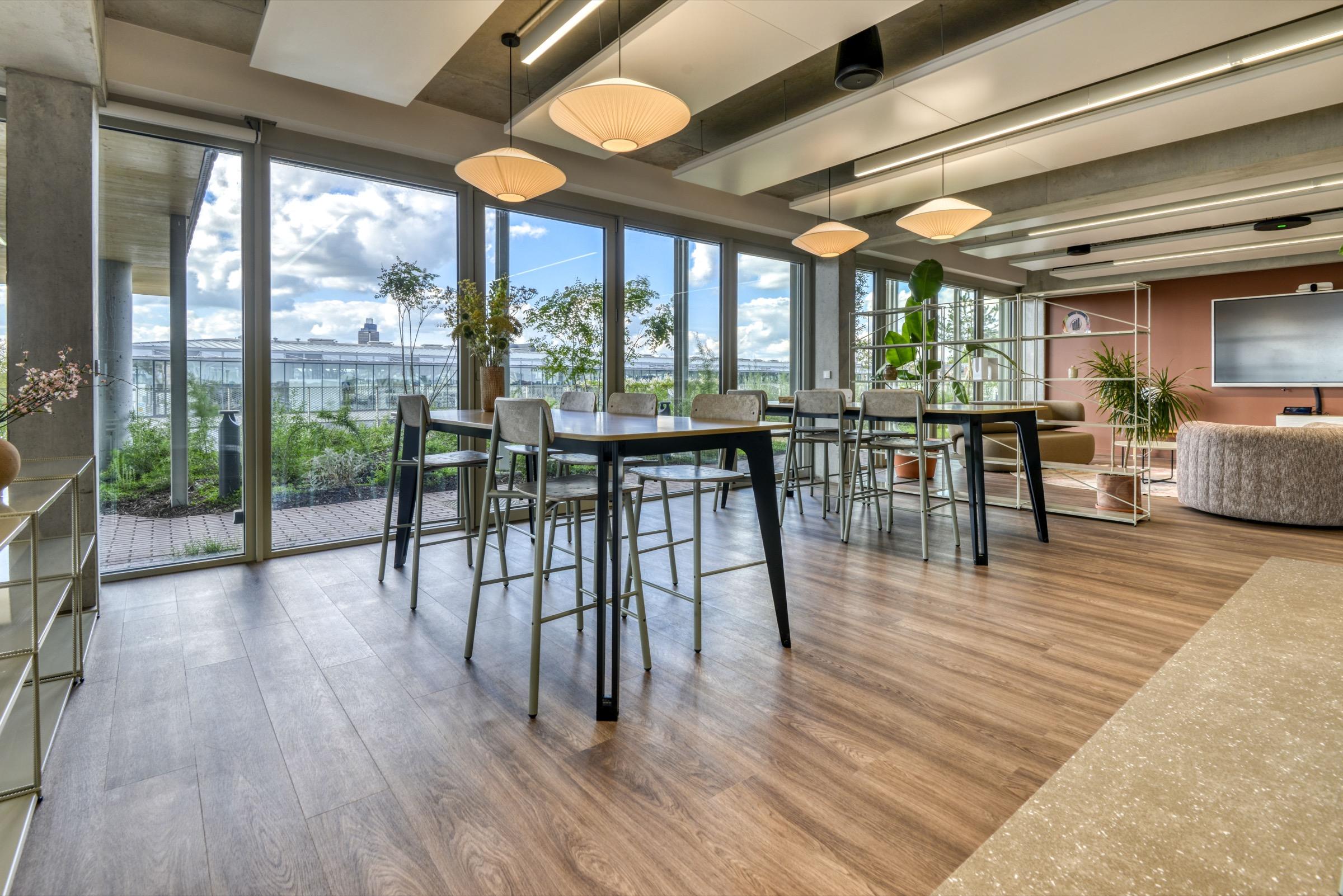
Lhyfe
OfficeNantes, France
Lhyfe's head office in Nantes fitted out with Ella chairs and Ella bar chairs in recycled Balt®.
View the project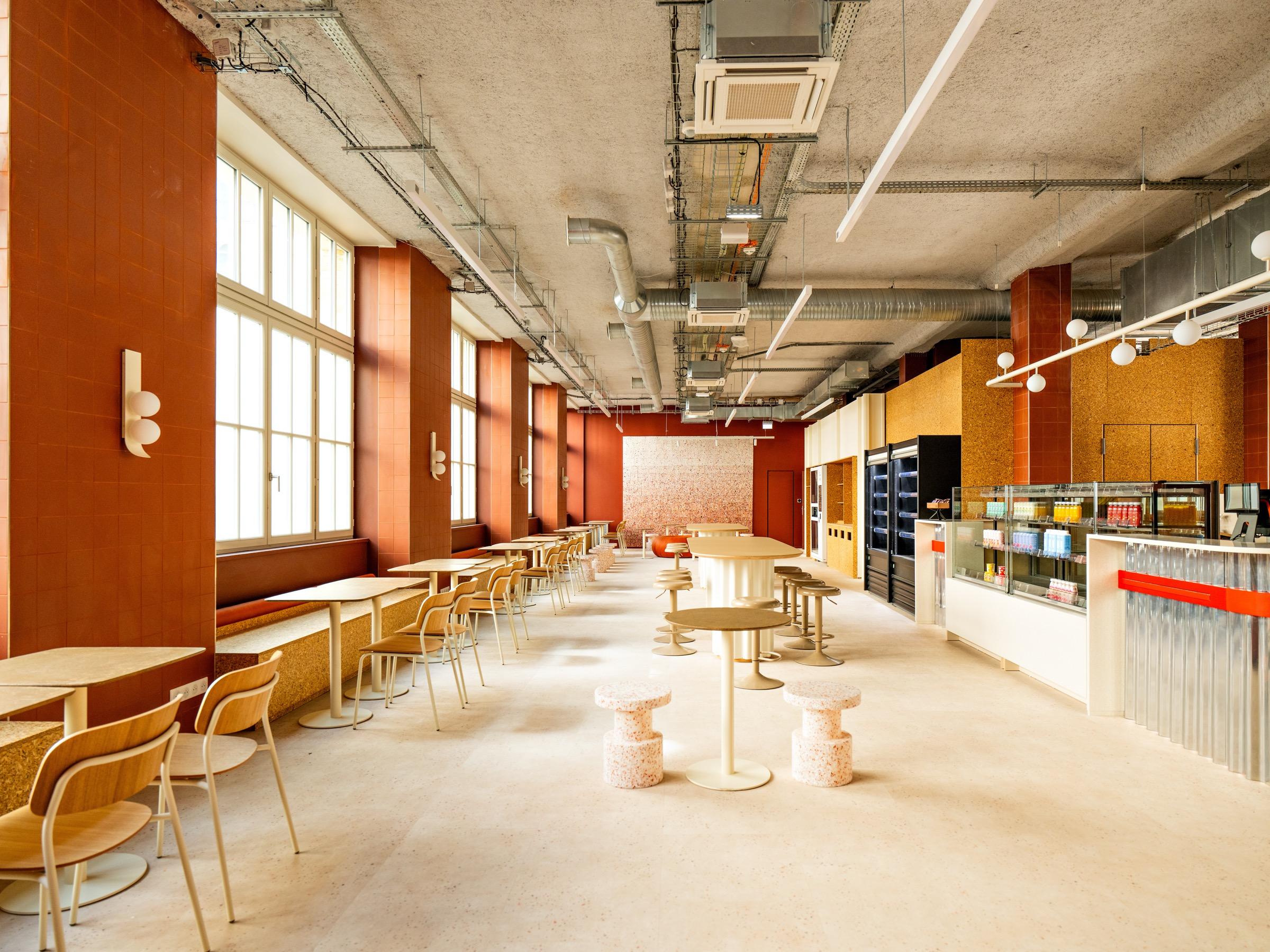
Campus Delta University
Public sectorParis, France
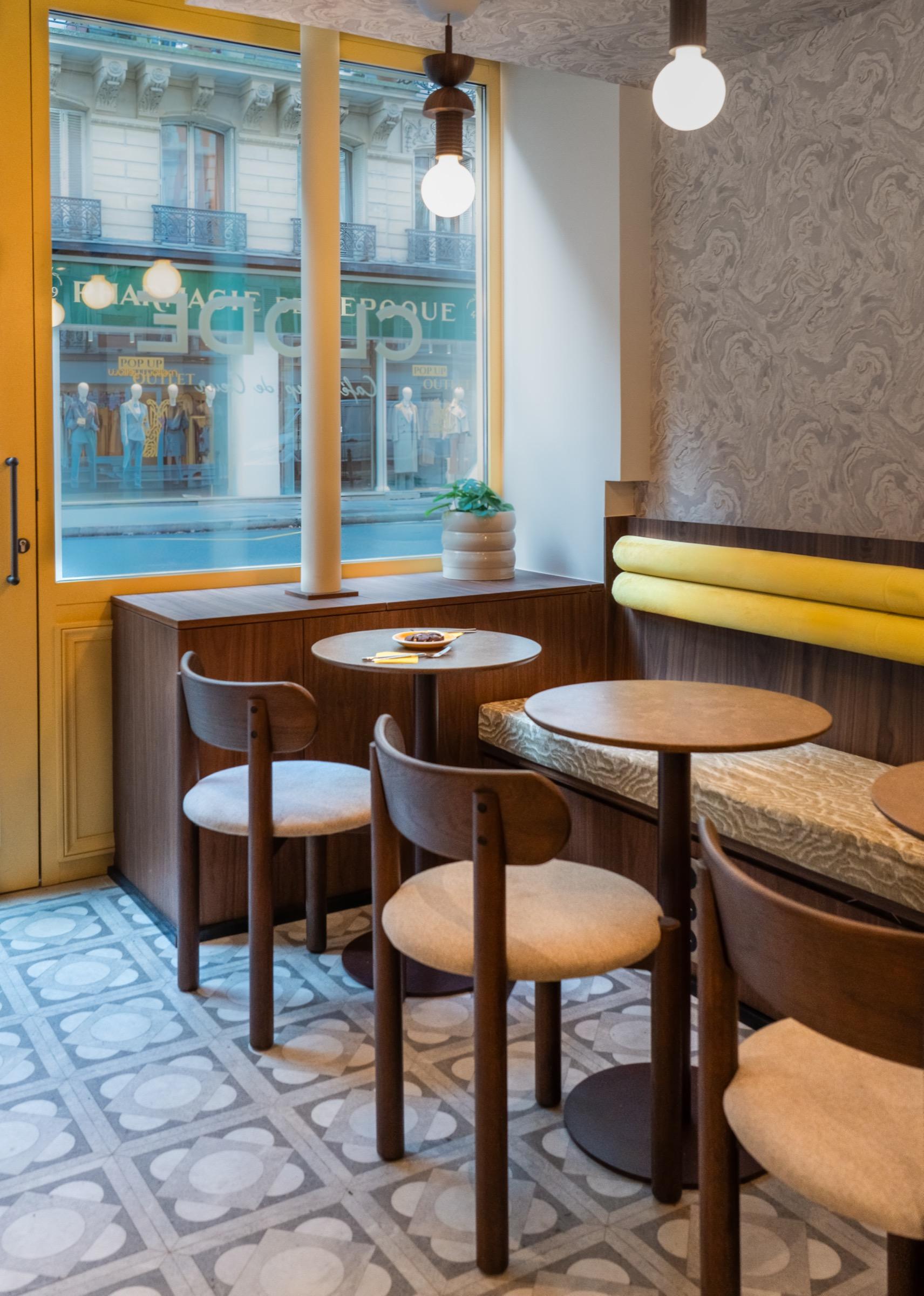
The Campus Delta Paris cafeteria fitted out with eco-responsible designer tables made in France.
View the projectFAQ
Frequently asked questions
What is professional recycled furniture?
Professional recycled furniture is made from recycled materials. At Instead, that means Balt® - an eco-material made of brewers' spent grain and recycled bio-based food packaging, containing between 52% and 63% recycled content depending on the product.
What is the difference between recycled and recyclable furniture?
Recycled furniture is made from already-recycled materials. Recyclable furniture can be recycled at end of life. Balt® is both: made from waste and 100% recyclable at end of life. It is a complete circular-economy approach - rare in professional furniture.
What is the difference between recycled furniture and reused furniture?
Reuse puts an existing piece of furniture back into circulation without transforming it; recycled furniture is made new from already-recycled material. Both reduce environmental impact, through different logics. The AGEC law recognises both within the 20% required of public buyers - but only new recycled furniture guarantees the same levels of performance, standards compliance and traceability as a conventional piece.
Is recycled furniture as sturdy as conventional furniture?
Yes. Balt® is certified for intensive professional use (hospitality, offices, public sector). It resists stains, scratches, knocks and liquid splashes. The powder-coated steel frame supports up to 180 kg. The range carries a 5-year warranty for hospitality use.
Does recycled furniture count towards the mandatory 20% in public procurement?
Yes. The AGEC law requires public buyers to include at least 20% of furniture from reuse or containing recycled materials. Instead furniture - certified Éco-Impact A and made in France - meets this requirement and can be highlighted in the environmental criteria of tenders.
Which certifications validate the environmental impact of Instead furniture?
The entire range is certified Éco-Impact A - the only French product-LCA standard across 71 independent criteria. Instead products are made in France and compliant with the AGEC law. Per-product LCA data is available on request.
How to choose between the different types of recycled furniture on the market?
Compare the certifications (independent LCA), the place of manufacture (short supply chain vs import), the traceability of the recycled materials and the guaranteed lifespan. Quality recycled furniture should be able to document each of these points with hard figures.
2026 catalogue
The whole range, in one document.
Product sheets, dimensions, finishes and trade prices.