Eco-friendly furniture
Eco-friendly Furniture: the guide to fitting out your professional spaces sustainably
Why choose eco-friendly furniture?
Eco-friendly furniture is emerging as a concrete answer to the environmental challenges of fitting out spaces. More than a trend, it is a commitment to responsible, sustainable consumption that respects the planet. Beyond the environmental benefit, it addresses major economic, social and health issues:
- A reduced carbon footprint: recycled or bio-based materials and local production.
- Durability and repairability: furniture designed to last and to withstand intensive use.
- Health and wellbeing: non-toxic materials, free of solvents and hazardous substances.
- Showcasing local know-how: short supply chain, artisan workshops, Made in France production.
- A responsible brand image: eco-friendly furniture reflects your values to customers and partners.
Which materials to favour for eco-friendly furniture?
Eco-design starts with the choice of materials: they determine the furniture's environmental footprint, its durability and its recyclability.
Recycled materials play a central role: recycled wood, recycled metal (steel, aluminium) or recycled plastic give a second life to materials that would otherwise have ended up in landfill. Some manufacturers develop innovative eco-materials from the circular economy, such as Balt®, by recovering value from waste.
Bio-based materials are an excellent low-impact alternative: flax, hemp, cork, seaweed or local plant fibres for seats, partitions and panels; cellulose or bagasse derivatives for light, compostable panels.
Certified wood (FSC, PEFC), from responsibly managed forests, remains a must, especially French solid wood. Finally, finishes matter: water-based varnishes, formaldehyde-free glues and natural dyes reduce VOC emissions for healthier indoor air.
Eco-friendly furniture: the criteria to consider
Choosing eco-friendly furniture means taking a whole-of-life-cycle view of the product: from raw material to end of life, taking in manufacture, use and the ability to be repaired, dismantled or reused.
The origin of the materials
- Recycled, reused or upcycled materials, to avoid extracting new resources.
- Full traceability of raw materials: origin, extraction and manufacturing conditions.
- Recycled materials (wood, plastic, metal, textiles) or bio-based ones (hemp, flax, cork).
- Local or European production, which limits transport-related emissions.
The product's durability
- Resistance to knocks, moisture, rubbing and frequent cleaning.
- Repairability: spare parts available, replaceable elements (seat, foot glide, fixings).
- Dismountable construction, to simplify repairs, updates and moves.
Tip: favour screwed rather than glued assemblies, which make dismantling and maintenance easier.
Repairability and end of life
- Is the product repairable? Is there after-sales support or technical documentation?
- Is it easily recyclable, with no mix of incompatible materials (metal glued to plastic)?
- Does the manufacturer offer a take-back, second-life or refurbishment programme?
Tip: a second-life policy (resale, refurbishment, donation) extends the furniture's positive impact while reducing waste.
Which types of eco-friendly furniture for professionals?
In hospitality as in the office, furniture must look good, withstand intensive use and be easy to maintain. Reconciling these requirements with an eco-friendly, even circular, approach is now entirely possible.
Eco-designed tables and tops (recycled or PEFC-certified wood, solvent-free laminate, recycled-metal legs) resist knocks, stains and repeated cleaning. Chairs, stools and banquettes combine comfort, sturdiness and recycled or reclaimed materials.
Storage solutions, sideboards and reception counters can be eco-designed from formaldehyde-free panels or reclaimed wood. In hotels, lounge areas feature modular, durable furniture, with partitions in recycled felt or panels made from reclaimed textiles. Incorporating upcycled pieces reduces the project's footprint while bringing a unique look.
Where to find quality eco-friendly furniture?
Several French and European manufacturers are committed to producing sustainable furniture. When sourcing:
- Ask for the data sheets and environmental labels.
- Find out about the guarantees (duration, after-sales service, repair).
- Favour brands that are transparent about their impact (carbon assessment, life cycle, manufacture).
Good tip: explore alternatives using materials recovered from waste (textiles, recycled plastics, reclaimed wood), which avoid extracting new raw materials.
The economic advantages of eco-friendly furniture
Contrary to popular belief, eco-friendly furniture is not always more expensive. And even with a higher upfront investment, it is often more cost-effective over the long term:
- Less upkeep and fewer replacements.
- A responsible image that attracts new customers or partners.
- Eligibility for certain grants or subsidies (eco-designed furniture for public buildings).
- Alignment with companies' CSR goals.
Eco-friendly furniture: what the law says
Regulations are evolving quickly to encourage sustainable approaches:
- The AGEC law (anti-waste): encourages eco-design, repairability and the purchase of recycled furniture for public bodies.
- Public procurement: environmental clauses are becoming mandatory in tenders.
The mistakes to avoid when choosing eco-friendly furniture
Three common pitfalls:
- Confusing greenwashing with genuine commitment: be wary of vague claims (“natural”, “sustainable”), check labels, traceability and certifications.
- Choosing furniture not suited to professional use: it must also be sturdy and functional, especially in high-footfall environments.
- Neglecting the whole life cycle: a piece can be recyclable yet hard to dismantle. The ideal is eco-design from the outset.
Eco-friendly, circular and upcycled furniture: a choice for the future
Adopting eco-friendly furniture is a commitment to a more responsible, circular economy. It starts with the materials (recycled, upcycled, bio-based and local), continues with a demand for durability (furniture designed to be repaired and transformed rather than thrown away), and takes shape in trusting relationships with committed, transparent manufacturers.
By choosing eco-friendly furniture for your professional spaces (restaurant, hotel or office), you assert your values to your customers, staff and partners. Far more than “green” furniture: furniture that tells a story, one of a more respectful and more intelligent future.
Our range
The certified eco-friendly range
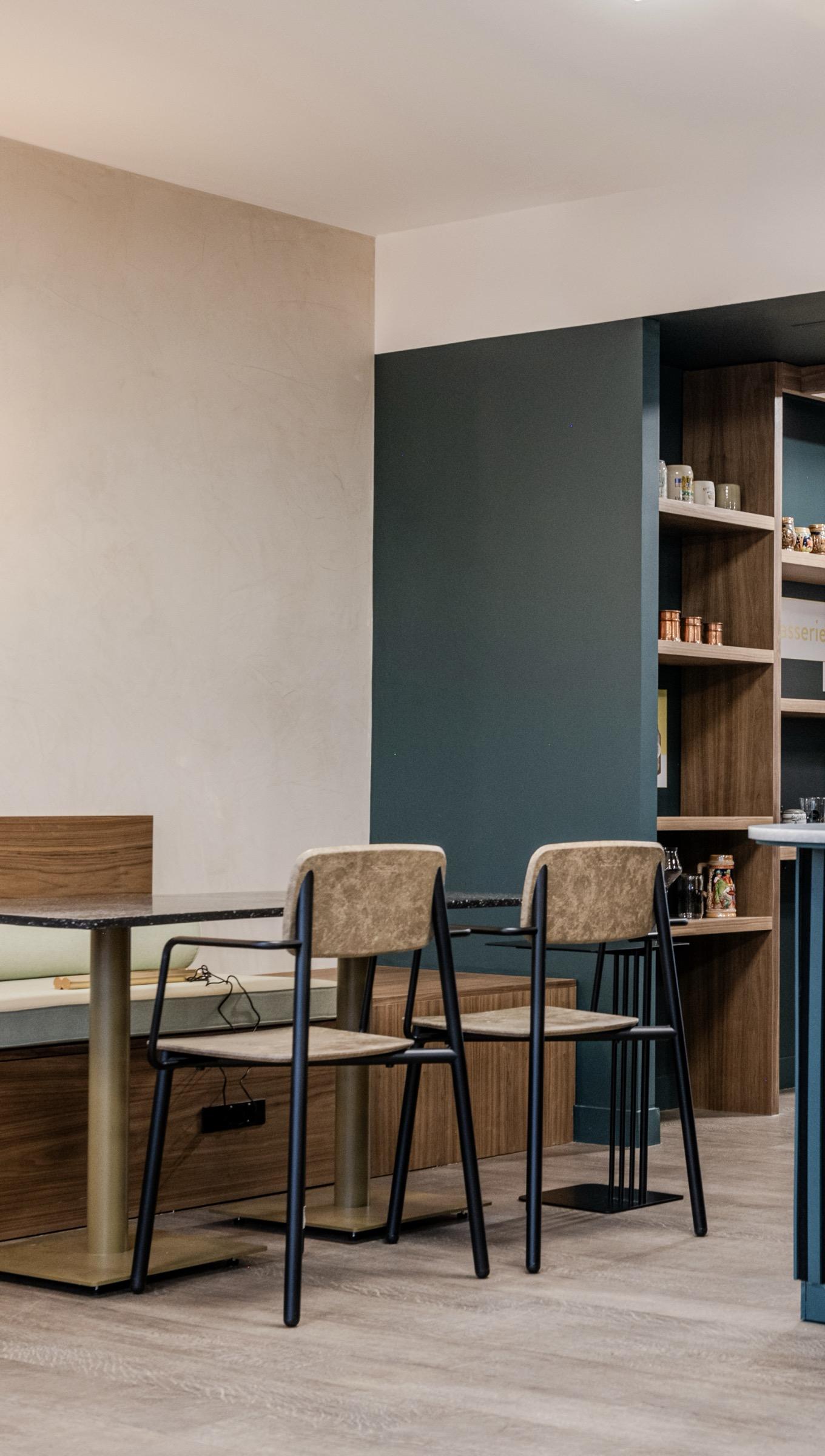
Chair
Ella Chair
The Ella chair is the result of years of work to design a sustainable chair made 100% in France.
From 309 € excl. VAT
View details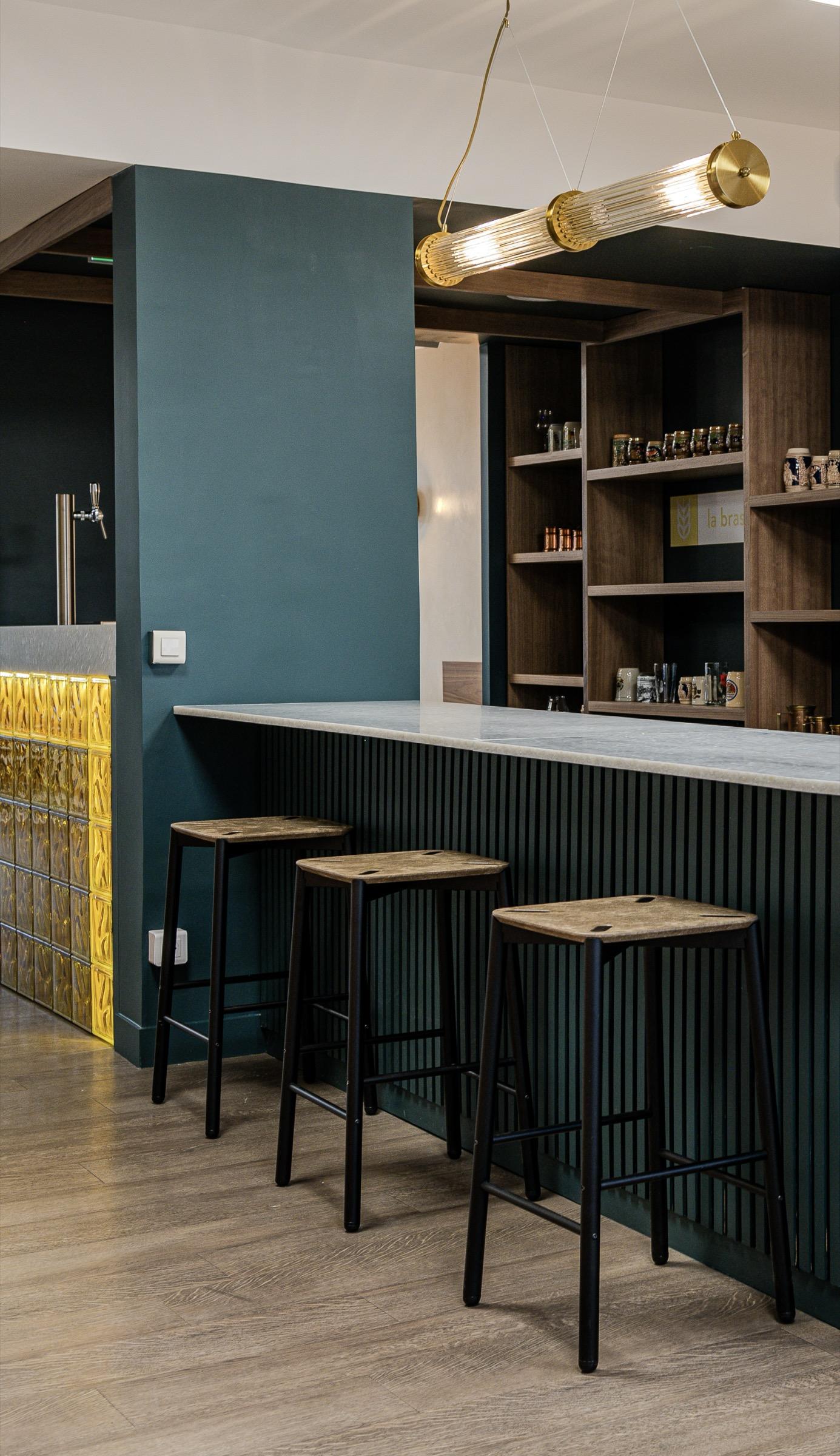
Bar stool
Newport Stool
The first sustainable bar stool made entirely in France from the grain left over from brewing beer.
From 217 € excl. VAT
View details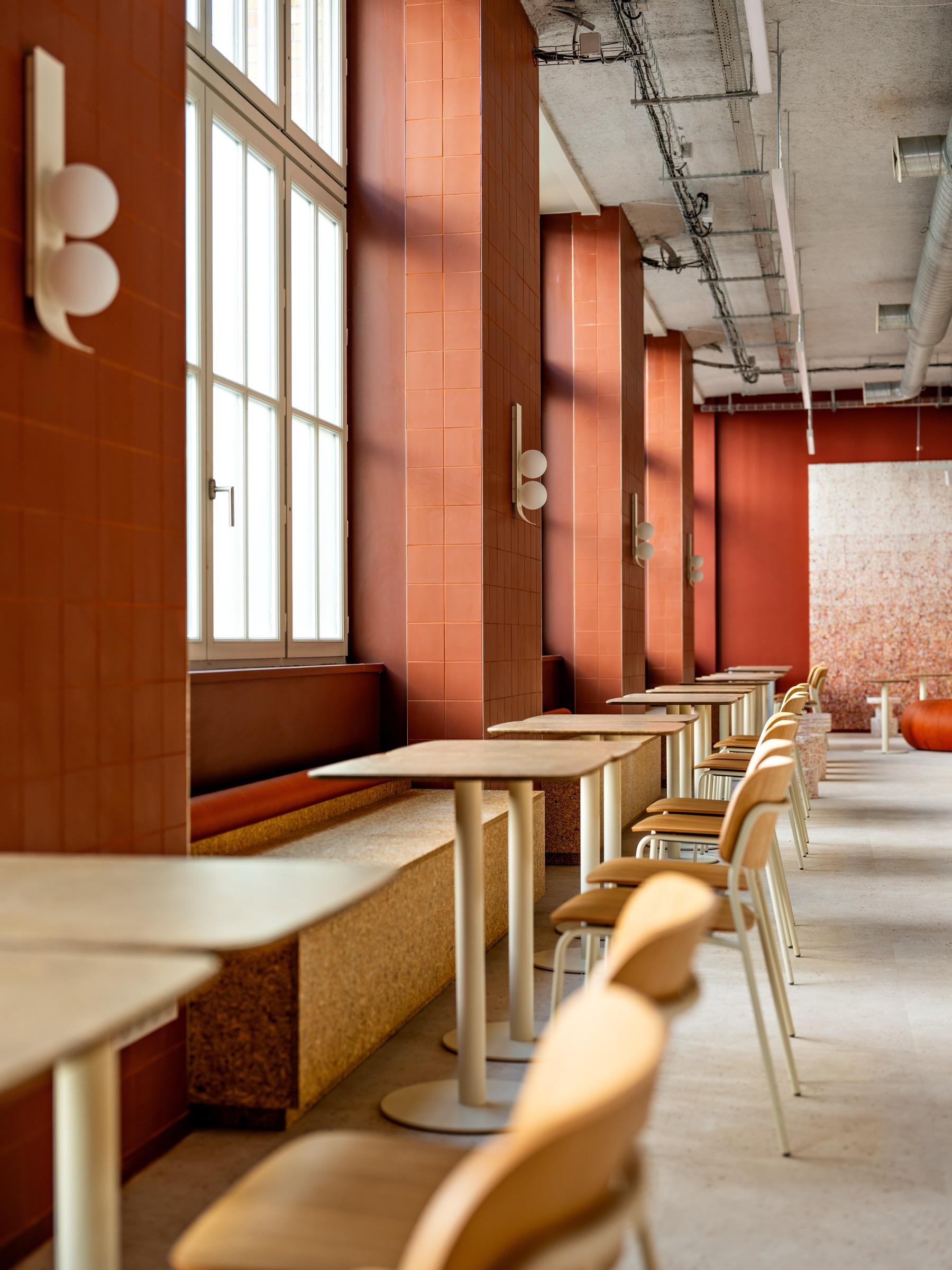
Modular table
Cicero Table
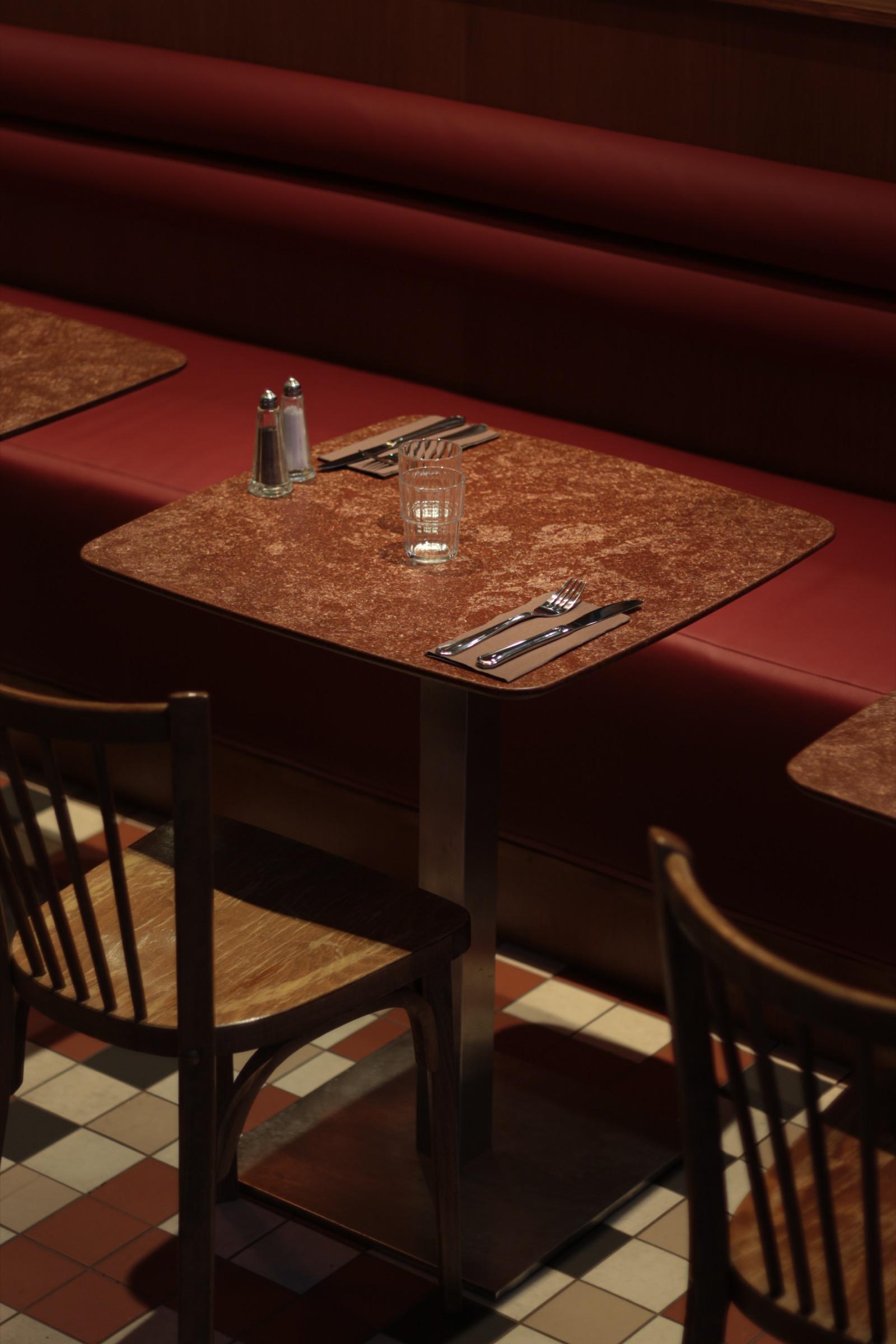
The Cicero table reinvents the bistro table in a low-carbon version.
From 341 € excl. VAT
View detailsClient references
They chose eco-friendly furniture with measurable impact
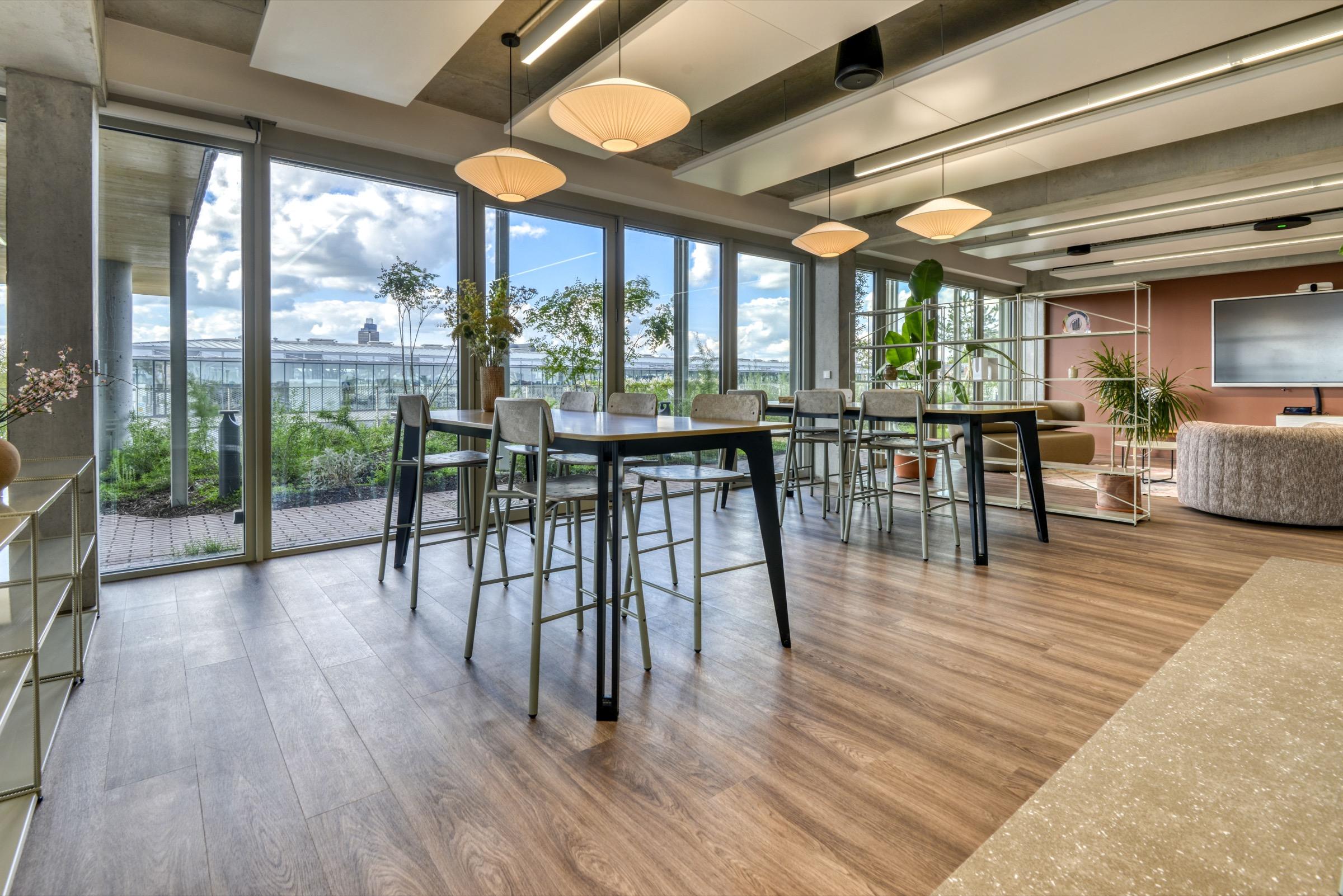
Lhyfe
OfficeNantes, France
Lhyfe's head office in Nantes fitted out with Ella chairs and Ella bar chairs in recycled Balt®.
View the projectCampus Delta University
Public sectorParis, France
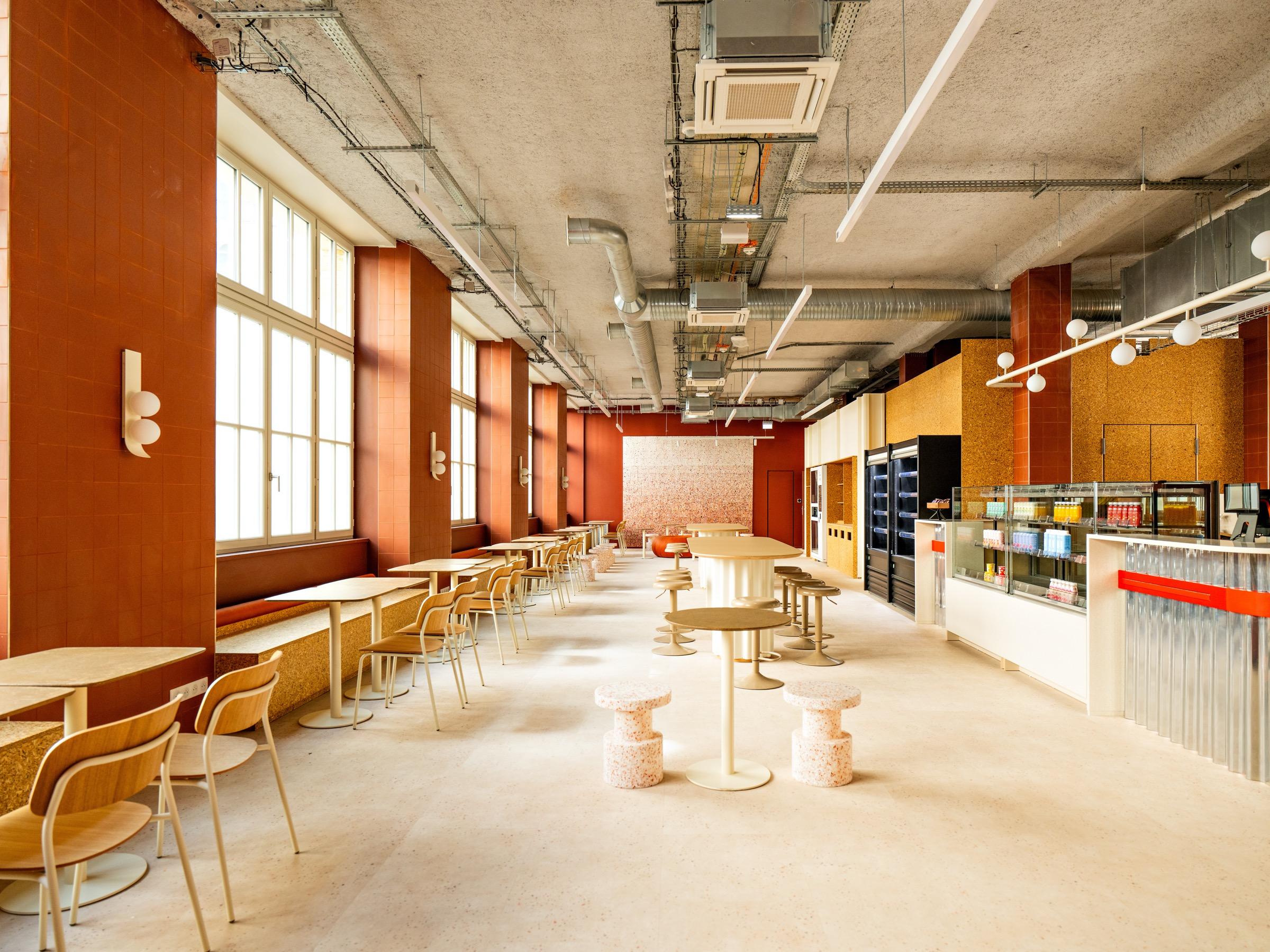
The Campus Delta Paris cafeteria fitted out with eco-responsible designer tables made in France.
View the projectOctopus Energy
OfficeParis, France
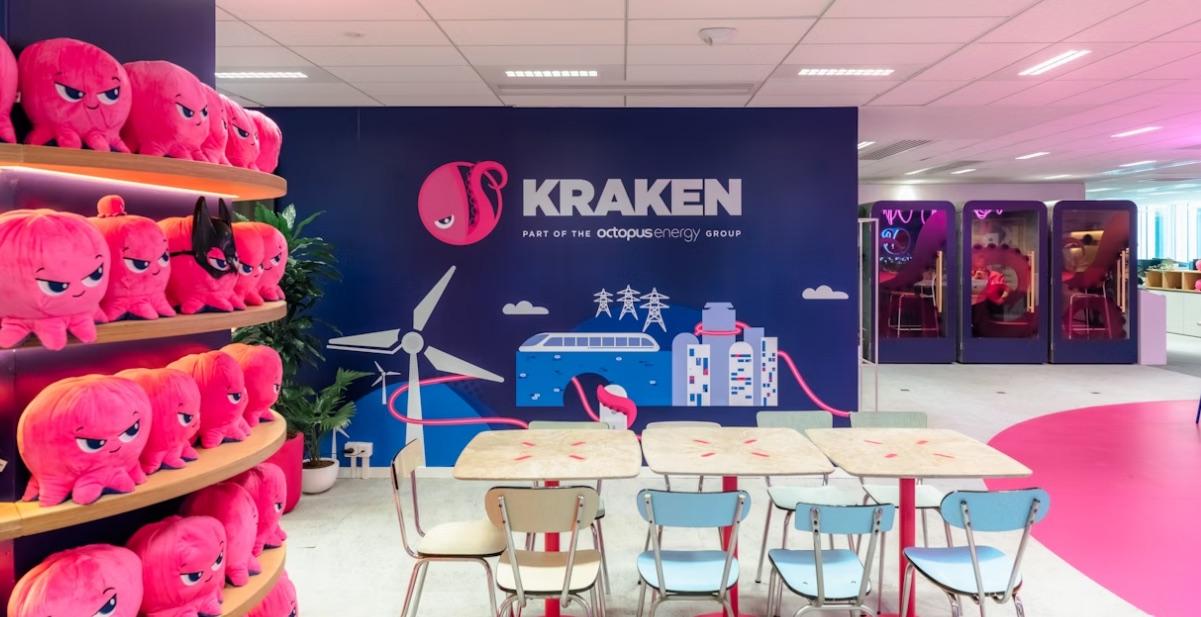
Octopus Energy's Paris offices fitted out with eco-responsible Newport tables, in partnership with Deskeo.
View the projectFAQ
Frequently asked questions
What is truly eco-friendly furniture?
Truly eco-friendly furniture is furniture whose impact has been measured independently, across its entire life cycle - from raw materials to end of life. The Life Cycle Assessment (LCA) is the reference standard. Instead is certified Éco-Impact A across 71 criteria, making it one of the few manufacturers to provide proof in figures.
What is the difference between bio-based and recycled furniture?
Bio-based furniture is made from materials of plant or animal origin. Recycled furniture contains already-recycled materials. Balt® is both: bio-based (brewers' spent grain) and recycled (reclaimed food packaging). A rare combination in professional furniture.
Is Instead furniture compliant with the AGEC law?
Yes. The AGEC law requires, among other things, the recovery of waste by businesses. Instead recovers value from brewers' spent grain (a food by-product) and bio-based packaging - two waste streams directly covered by the regulation.
How to measure the environmental impact of your professional furniture?
The Life Cycle Assessment (LCA) is the reference tool. It measures the impact across the whole life of the product: material extraction, manufacture, transport, use and end of life. Instead shares LCA data product by product - contact us for the environmental data sheets.
2026 catalogue
The whole range, in one document.
Product sheets, dimensions, finishes and trade prices.