Public-sector furniture
Public-Sector Furniture: a complete guide to a durable, functional fit-out
Why choose your public-sector furniture carefully?
Public-sector furniture plays an essential role in fitting out public and professional spaces: town halls, schools, libraries, community halls, public coworking spaces. It must be functional, hard-wearing and suited to users, to ensure a comfortable, safe and durable environment.
Furniture intended for the public sector must meet several specific requirements:
- Intensive use: public spaces host large numbers of people, which calls for sturdy, easy-to-maintain furniture.
- Accessibility: public buildings must comply with accessibility standards, in particular for people with reduced mobility.
- Flexibility: furniture must be modular to adapt to different events and uses.
- Compliance with standards: safety, hygiene and fire standards are criteria not to be overlooked.
- Environmental impact: recycled materials and local manufacture limit the carbon footprint.
The essential criteria to consider
Several criteria help identify public-sector furniture that is truly fit for purpose:
- Sturdiness and durability: favour hard-wearing materials such as metal, solid wood, high-pressure laminate or innovative materials such as Balt®.
- Ease of upkeep: easy-to-clean furniture ensures a hygienic environment, essential for schools and public spaces.
- Ergonomics and comfort: well-designed chairs and tables improve users' wellbeing.
- Design and looks: modern, welcoming furniture enhances the image of public bodies and improves the user experience.
- Modularity and storage: stackable or folding furniture makes the most of space and eases the fit-out.
The different types of public-sector furniture
Needs differ from space to space. Here is an overview of the main families of public-sector furniture.
School and educational furniture
- School tables and desks suited to different pupil sizes, with adjustable heights.
- Ergonomic chairs offering good back support to prevent fatigue.
- Storage spaces: lockers, cupboards and shelves for optimal organisation.
- Library furniture: work tables, comfortable armchairs and modular shelving.
Tip: furniture in recycled, impact-resistant materials is ideal for schools.
Furniture for multipurpose halls and cultural venues
- Folding, stackable tables, easy to store and move.
- Hard-wearing, stackable chairs to adapt to different events.
- Modular stages and platforms for performances and conferences.
- Mobile partitions to reconfigure the space as needed.
Tip: favour light, sturdy furniture to ease handling and the configuration of spaces.
Street and outdoor furniture
- Public benches in metal, wood or recycled material, with anti-corrosion treatment.
- Picnic tables for social and relaxation areas.
- Shelters and pergolas to create shaded areas.
- Bins and recycling points to encourage eco-friendly habits.
Tip: favour eco-friendly materials such as FSC-certified wood or recycled composites.
Furniture for offices and administrative spaces
- Adjustable, modular desks to adapt to different tasks.
- Ergonomic chairs, essential to prevent musculoskeletal disorders.
- Counters and reception desks for smooth interaction with the public.
- Waiting areas: comfortable armchairs and acoustic solutions.
Tip: opt for furniture made in France with recycled materials for a sustainable approach.
Current trends in public-sector furniture
Four trends now shape the fitting out of public spaces:
- Eco-designed furniture: more and more public bodies choose recycled and recyclable materials.
- Flexibility and modular furniture, able to adapt to different uses and configurations.
- Acoustic furniture, in high demand in schools and coworking spaces.
- Inclusive design, with solutions suited to people with disabilities.
Furniture in Balt® is a durable, attractive alternative for fitting out public spaces responsibly.
How to choose a public-sector furniture supplier?
A few markers for selecting the right partner:
- Favour quality and certification: check compliance with safety and ergonomics standards (ISO, NF, FSC, PEFC).
- Opt for customisable solutions: bespoke or modular furniture adapts to the needs of each public body.
- Check the manufacturer's environmental commitment: recycled and bio-based materials, local manufacture.
- Make sure of ease of upkeep and maintenance: surfaces resistant to knocks and stains ensure optimal durability.
In short: more welcoming and sustainable public spaces
Choosing your public-sector furniture well means ensuring comfort, safety and adaptability to the various public uses. By opting for durable materials, ergonomic solutions and flexible layouts, you foster a pleasant and effective setting for everyone.
Our range
The public-sector range
Modular table
Cicero Table
The Cicero table reinvents the bistro table in a low-carbon version.
From 341 € excl. VAT
View details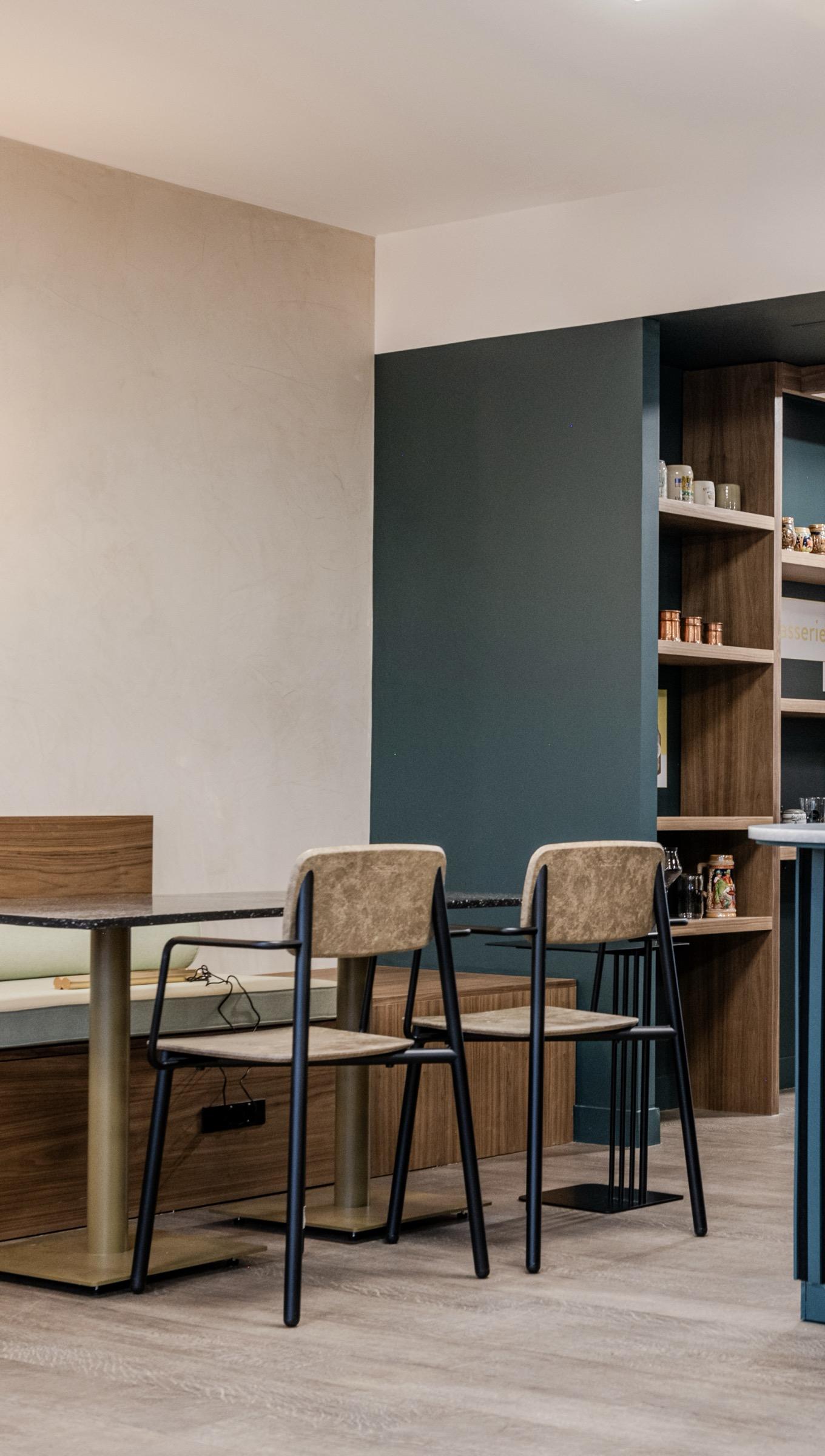
Chair
Ella Chair
The Ella chair is the result of years of work to design a sustainable chair made 100% in France.
From 309 € excl. VAT
View details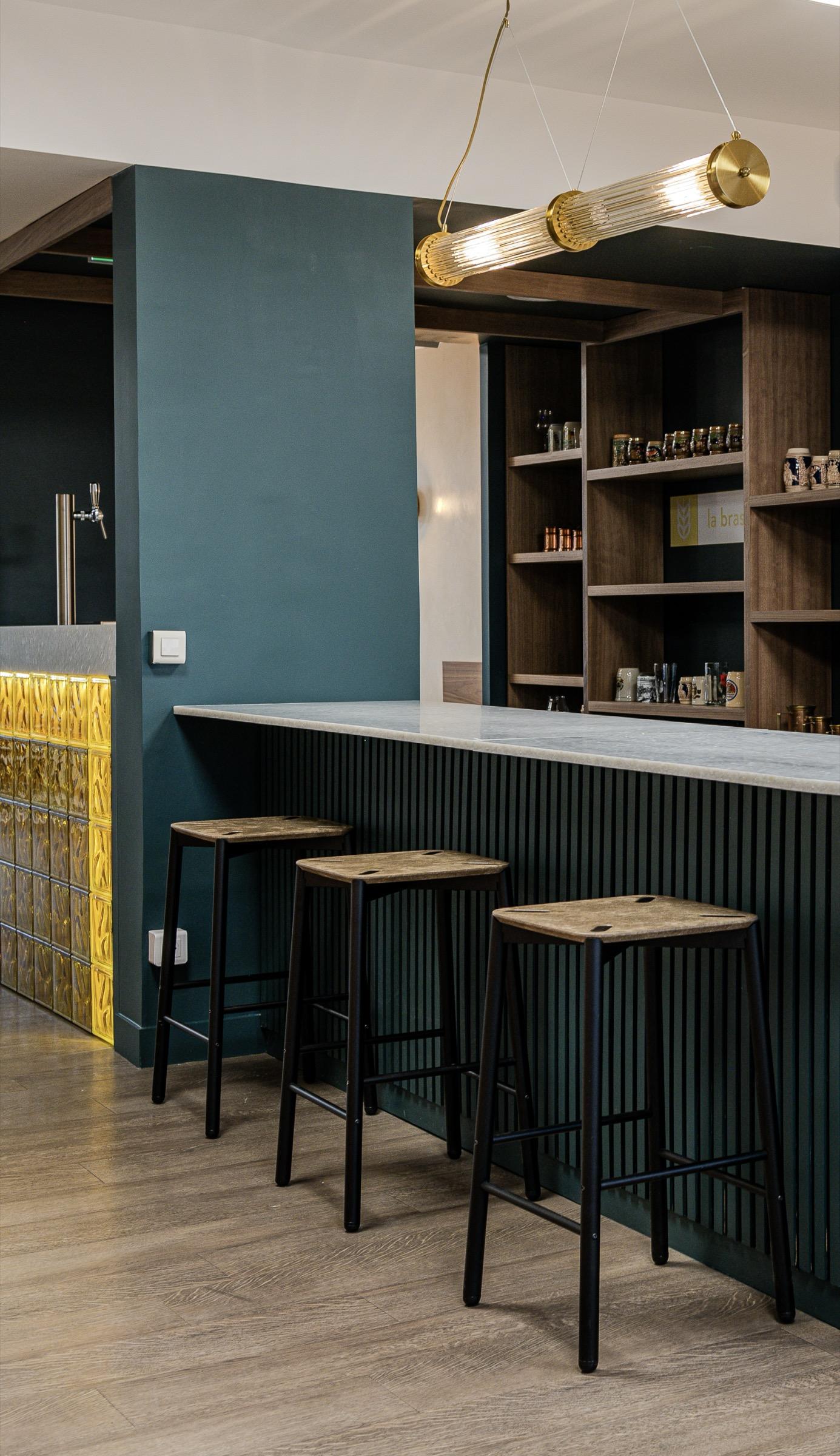
Bar stool
Newport Stool
The first sustainable bar stool made entirely in France from the grain left over from brewing beer.
From 217 € excl. VAT
View detailsClient references
Public-sector & workplace references
Campus Delta University
Public sectorParis, France
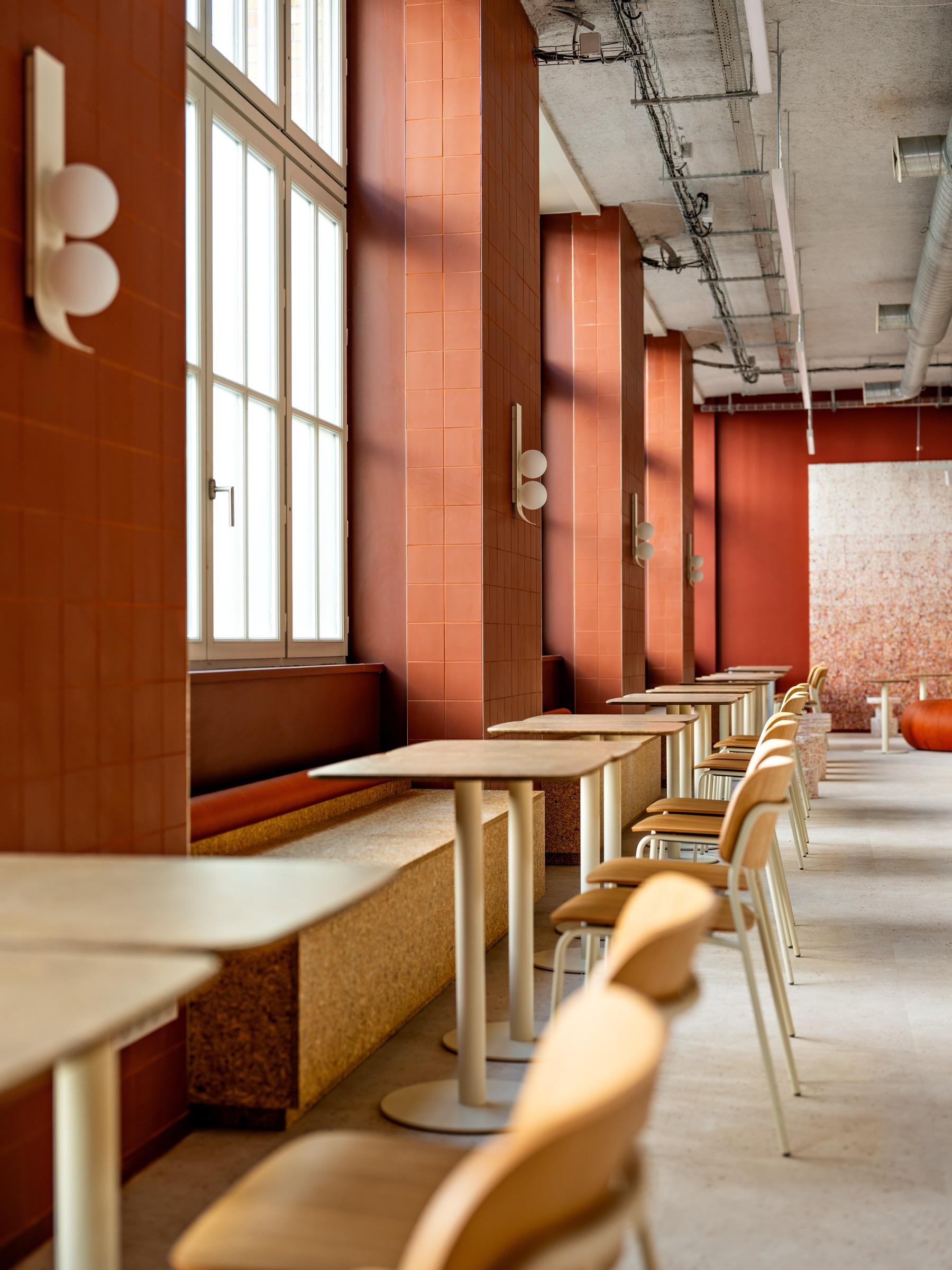
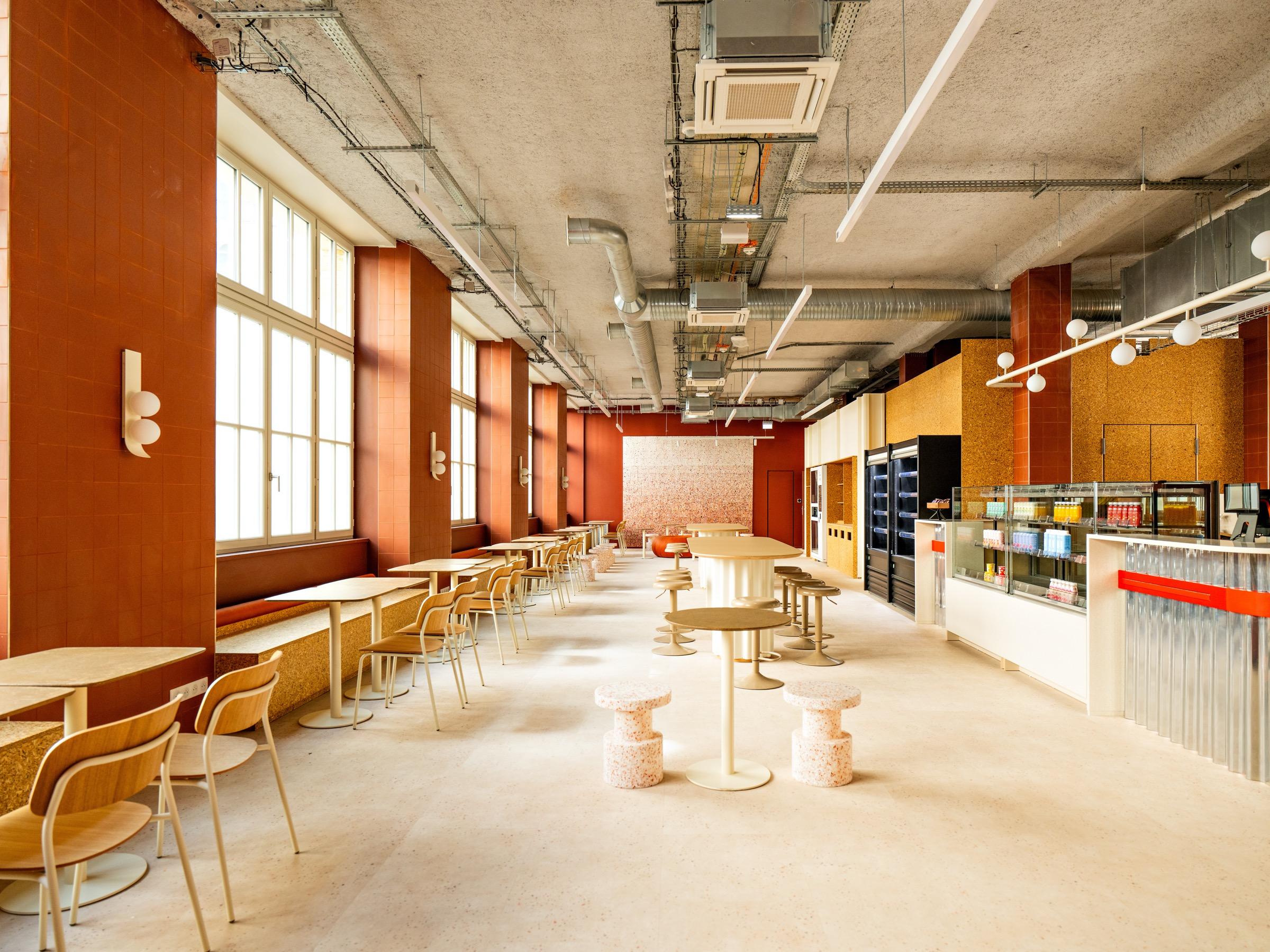
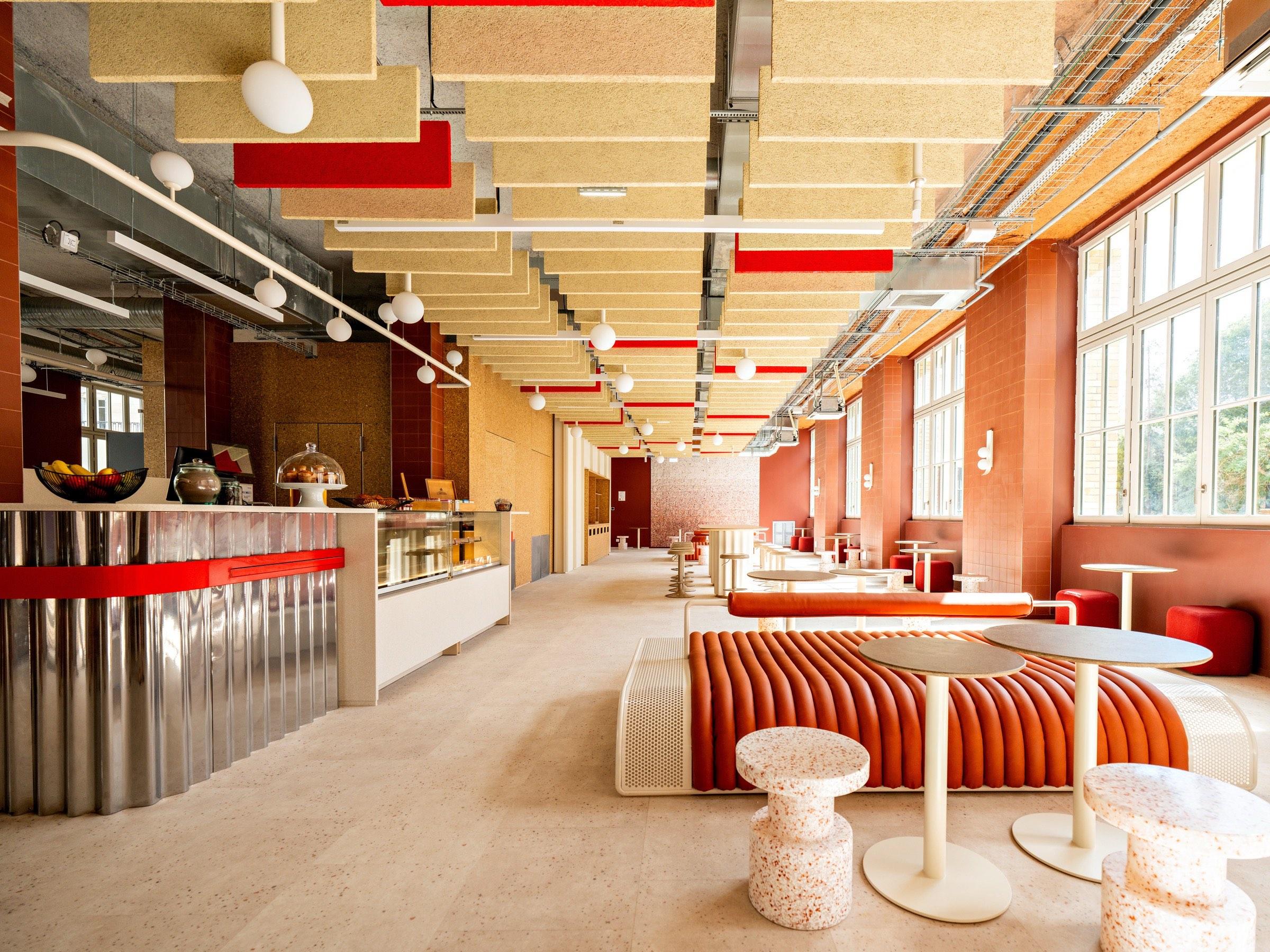
The Campus Delta Paris cafeteria fitted out with eco-responsible designer tables made in France.
View the projectCentaure Avocats
CoworkingLille, France
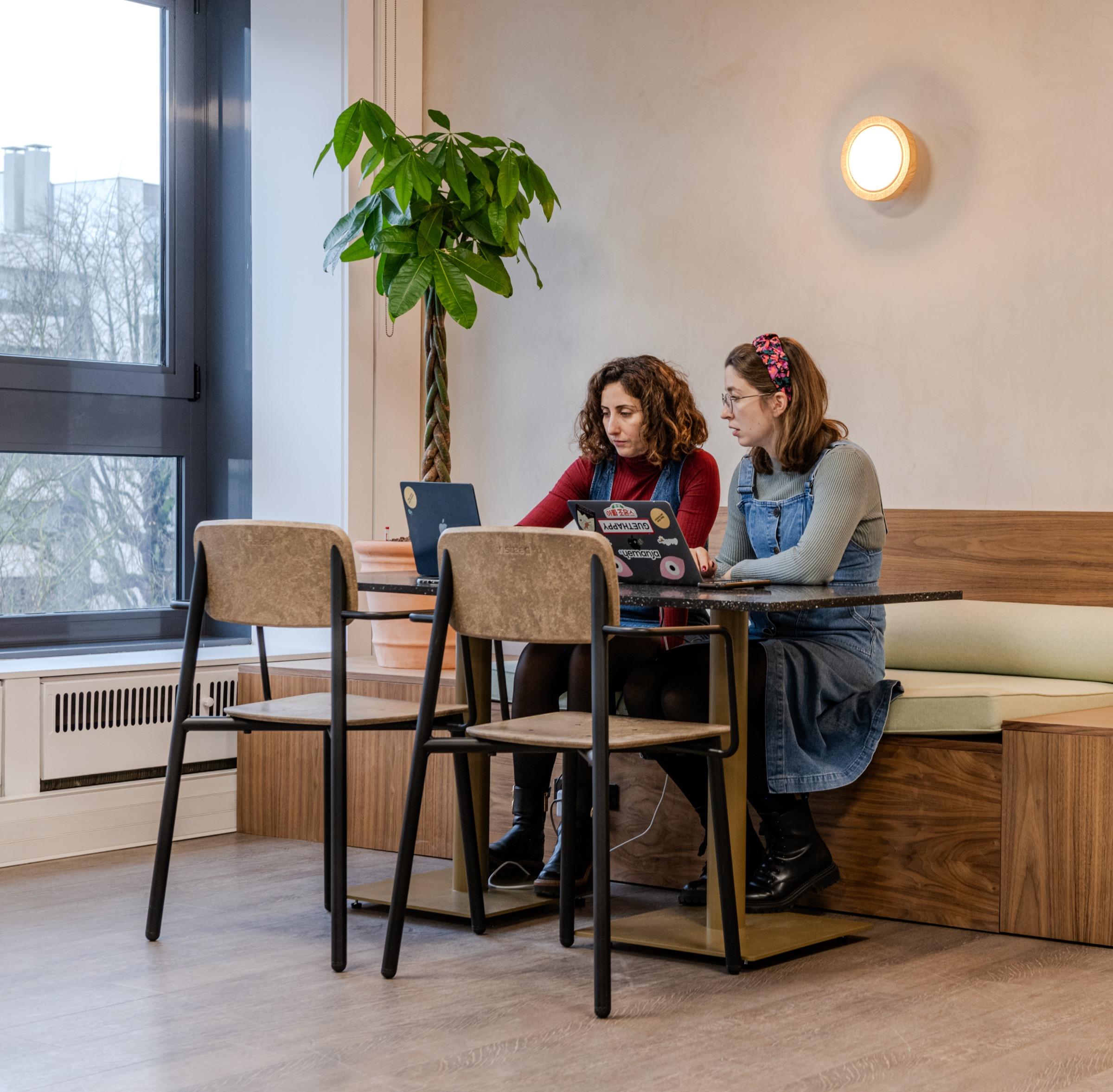
The Centaure Avocats law firm in Lille fitted out with Ella chairs and Newport stools in recycled Balt®.
View the project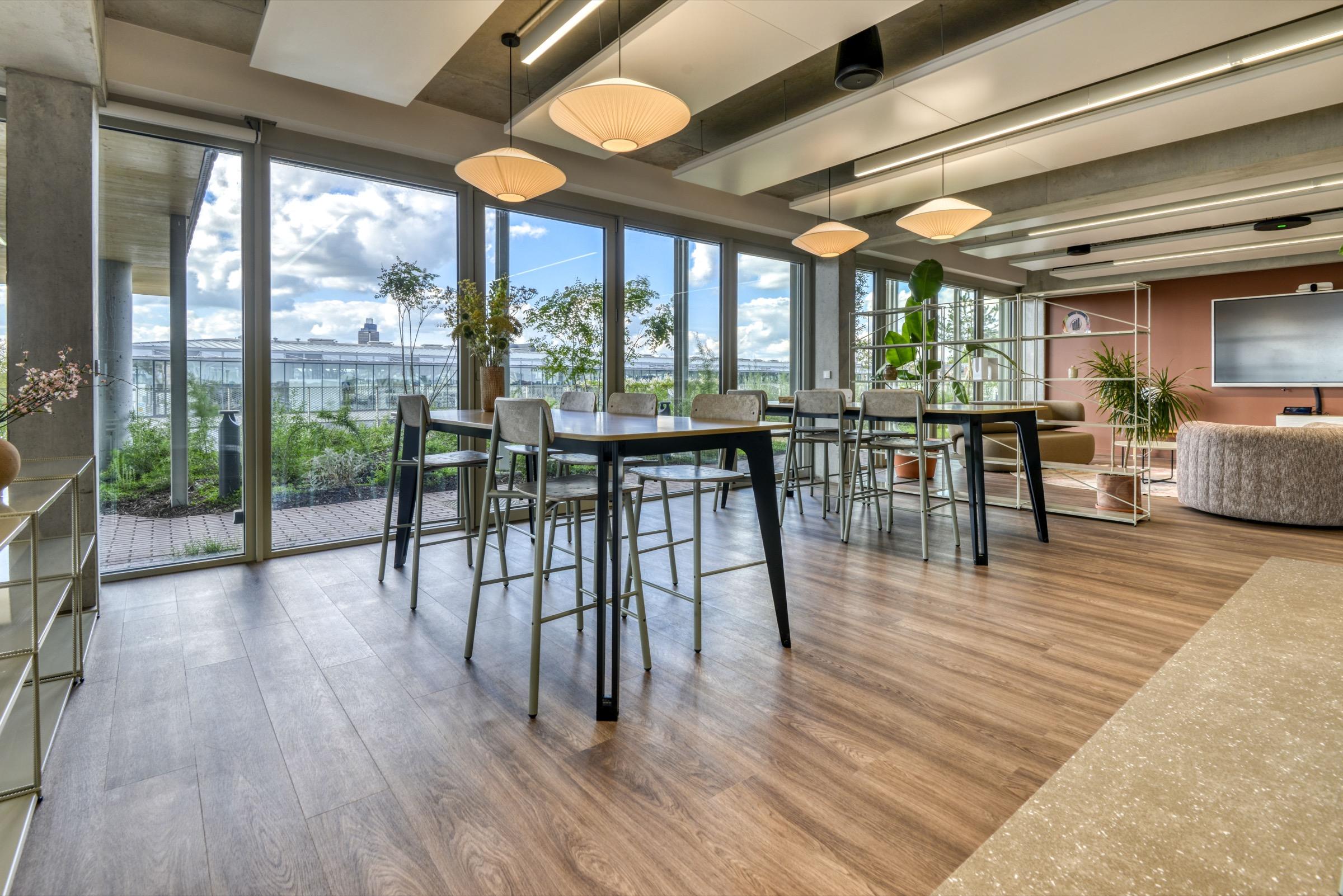
Lhyfe
OfficeNantes, France
Lhyfe's head office in Nantes fitted out with Ella chairs and Ella bar chairs in recycled Balt®.
View the projectFAQ
Frequently asked questions
Is Instead furniture eligible for public procurement?
Yes. Instead manufactures in France and is certified Éco-Impact A - strengths that count in the environmental and social criteria of public procurement. Data sheets, LCA data and certificates of compliance are available on request.
Which environmental criteria to include in a furniture tender?
The most effective criteria for favouring responsible furniture: the presence of a certified LCA, the percentage of recycled content, the country of manufacture (favouring Made in France) and compliance with the AGEC law. Instead meets all of these criteria.
Can public-sector furniture be ordered in large quantities?
Yes, Instead handles projects of all sizes. For volume orders, volume discounts and a tailored delivery schedule are offered by quote.
What is the lead time to fit out a cafeteria or a communal area?
6 to 8 weeks for a standard order. For projects with custom colours or a large volume, the lead time is adjusted according to the workshop's workload. Contact our team with your fit-out plans for a precise quote.
2026 catalogue
The whole range, in one document.
Product sheets, dimensions, finishes and trade prices.