Hospitality furniture
Hospitality Furniture: the complete guide for Cafés, Hotels and Restaurants
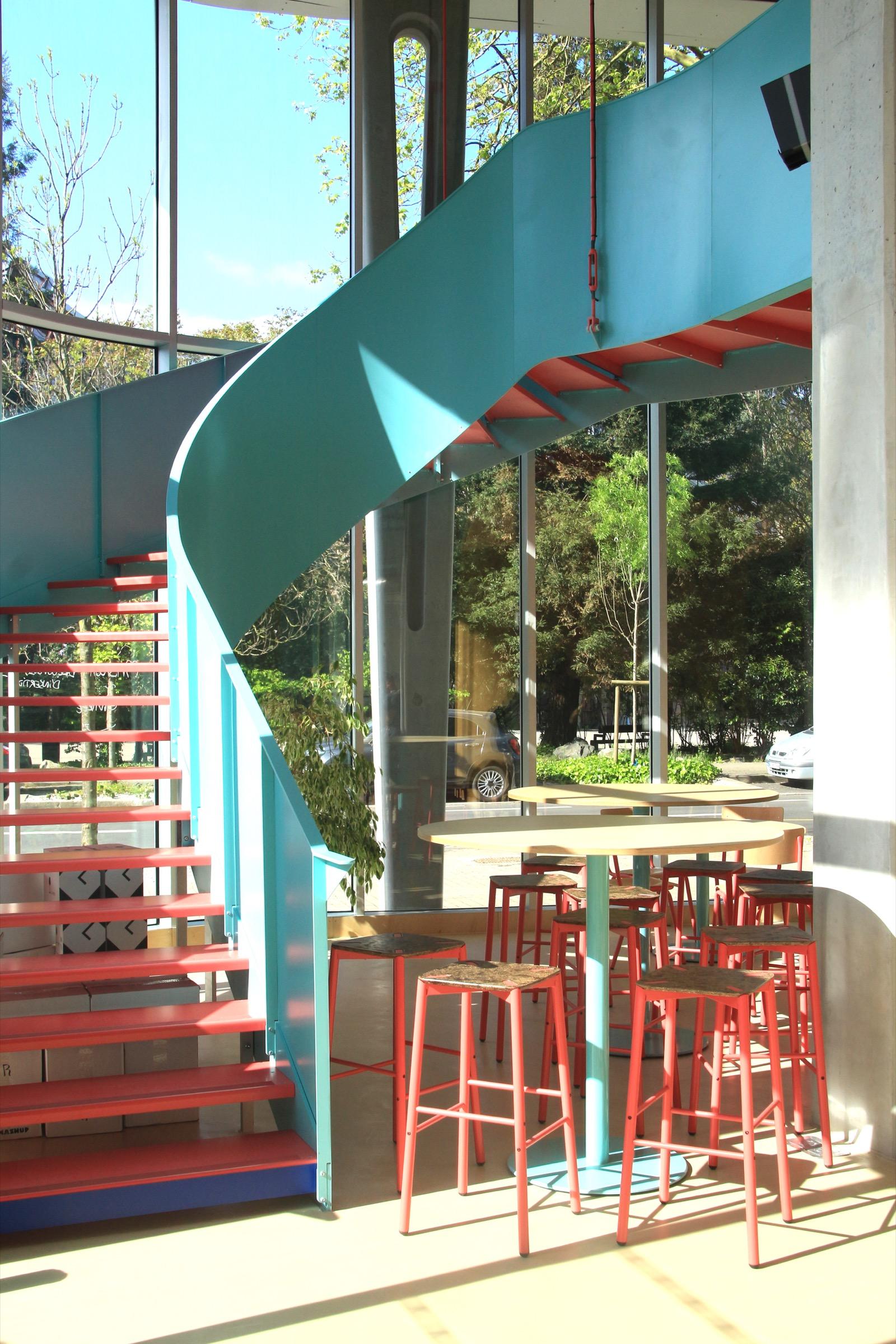
What is hospitality furniture?
Hospitality furniture (for cafés, hotels and restaurants) plays a crucial role in the customer experience and profitability of a professional venue, whether a bar, a fine-dining restaurant, a coffee shop or a hotel. Restaurateur, hotelier or café manager: your choice of furniture shapes both your brand image and your customers' comfort.
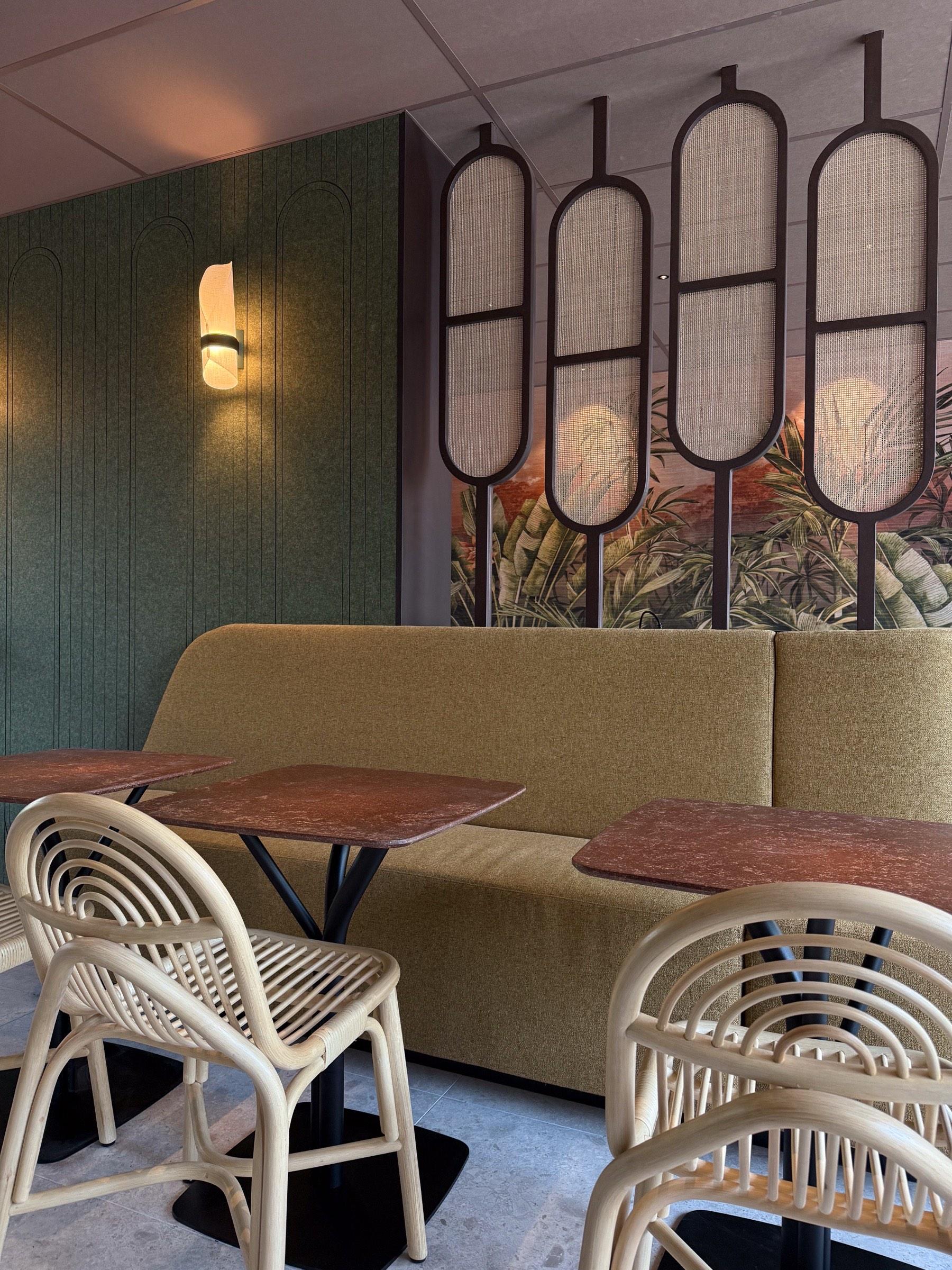
Why invest in quality hospitality furniture?
Beyond looks, quality hospitality furniture is a worthwhile investment on three counts:
- Ergonomics and comfort: well-designed furniture encourages customers to stay longer, which often means higher spending and greater satisfaction.
- Durability: subject to intensive daily use, especially at peak times, hospitality furniture must be made from sturdy materials. Long-lasting professional furniture cuts replacement costs over the medium and long term.
- Design and customisation: stylish, customisable furniture (colours, finishes, dimensions) creates a memorable customer experience, strengthens the brand image and encourages sharing on social media.
What are the different types of hospitality furniture?
Hospitality venues fit out with tables, chairs, banquettes, sofas and counters: all of which shape the comfort and atmosphere of the space (kitchen utensils and equipment, by contrast, fall under catering equipment).
Furniture is often one of the first things customers judge: it conveys the image and standing of the venue. The choice of materials (wood, metal, eco-materials such as Balt®, and so on) and colours must therefore be consistent with the identity you are after.
Note: some safety standards, fire regulations in particular, apply first and foremost to the building (premises, installations, structure) rather than to the furniture itself. Look into the regulations that apply to your building, while choosing professional furniture that is sturdy, attractive and compliant with the sector's requirements.
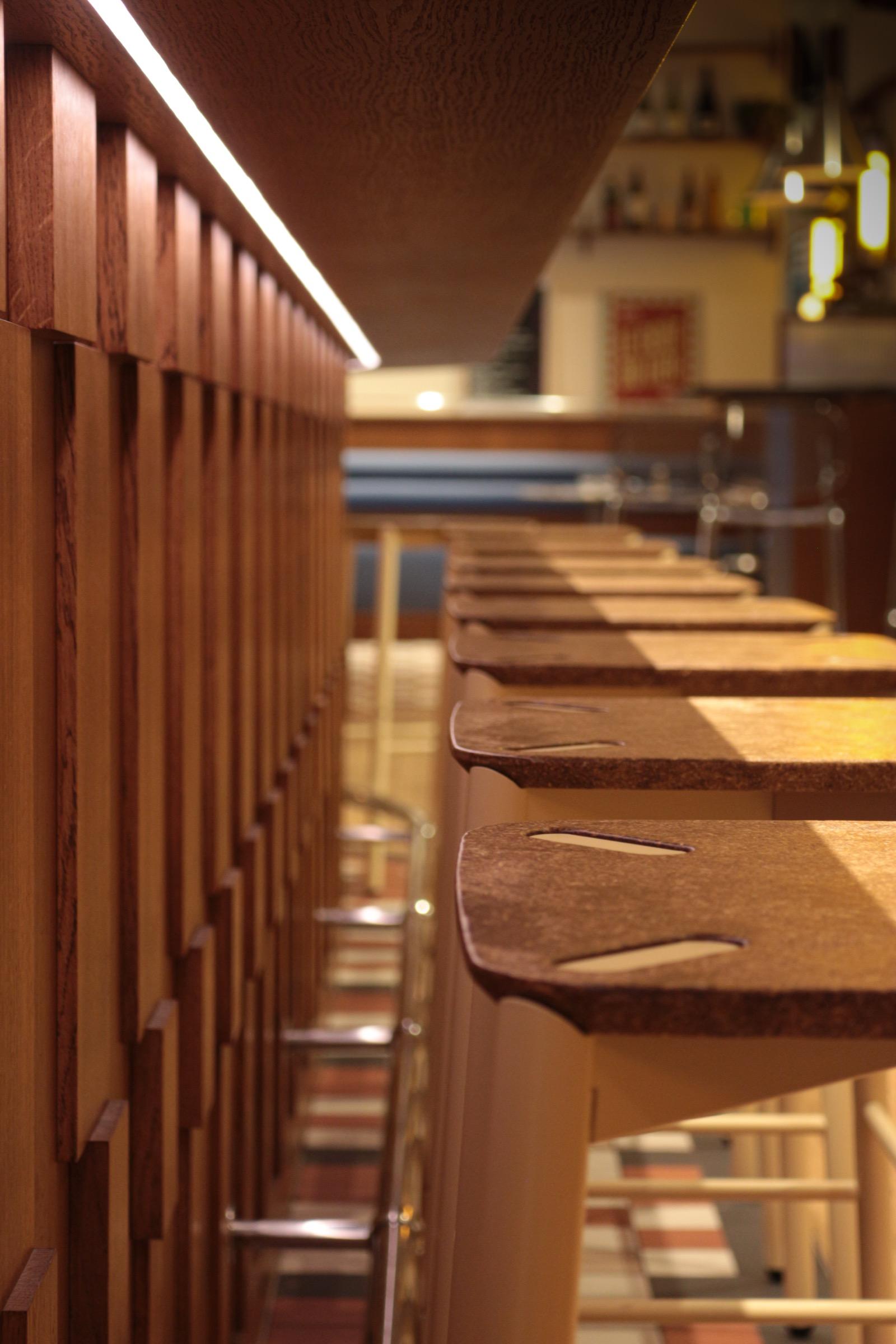
Sustainable furniture for hospitality
In the café, hotel and restaurant sector, environmental impact is now a deciding factor for many customers. Opting for sustainable furniture (wood from responsibly managed forests, recycled or bio-based materials) reduces the carbon footprint and enhances the venue's brand image.
Economic and marketing advantages
- Greater durability: hard-wearing materials need replacing less often, so costs are lower over the long term.
- Stronger appeal: an eco-committed venue attracts customers who care about environmental issues.
- Added brand value: communicating a responsible approach improves how customers, partners and staff perceive you.
The labels that showcase your approach: Green Key and Ecolabel
- Green Key label: widespread in the hotel and restaurant trade, it rewards exemplary environmental management (water saving, waste reduction, responsible suppliers). A mark of trust for customers seeking eco-committed venues.
- Ecolabel: a European certification guaranteeing compliance with strict environmental criteria across the whole life cycle (origin of materials, absence of toxic substances, impact on biodiversity and energy).
A positive impact on the planet and on your venue
- Less pollution: eco-designed furniture generates less waste and fewer polluting emissions.
- Wellbeing and health: harmless materials (free of solvents and VOCs) improve indoor air quality, for customers and staff alike.
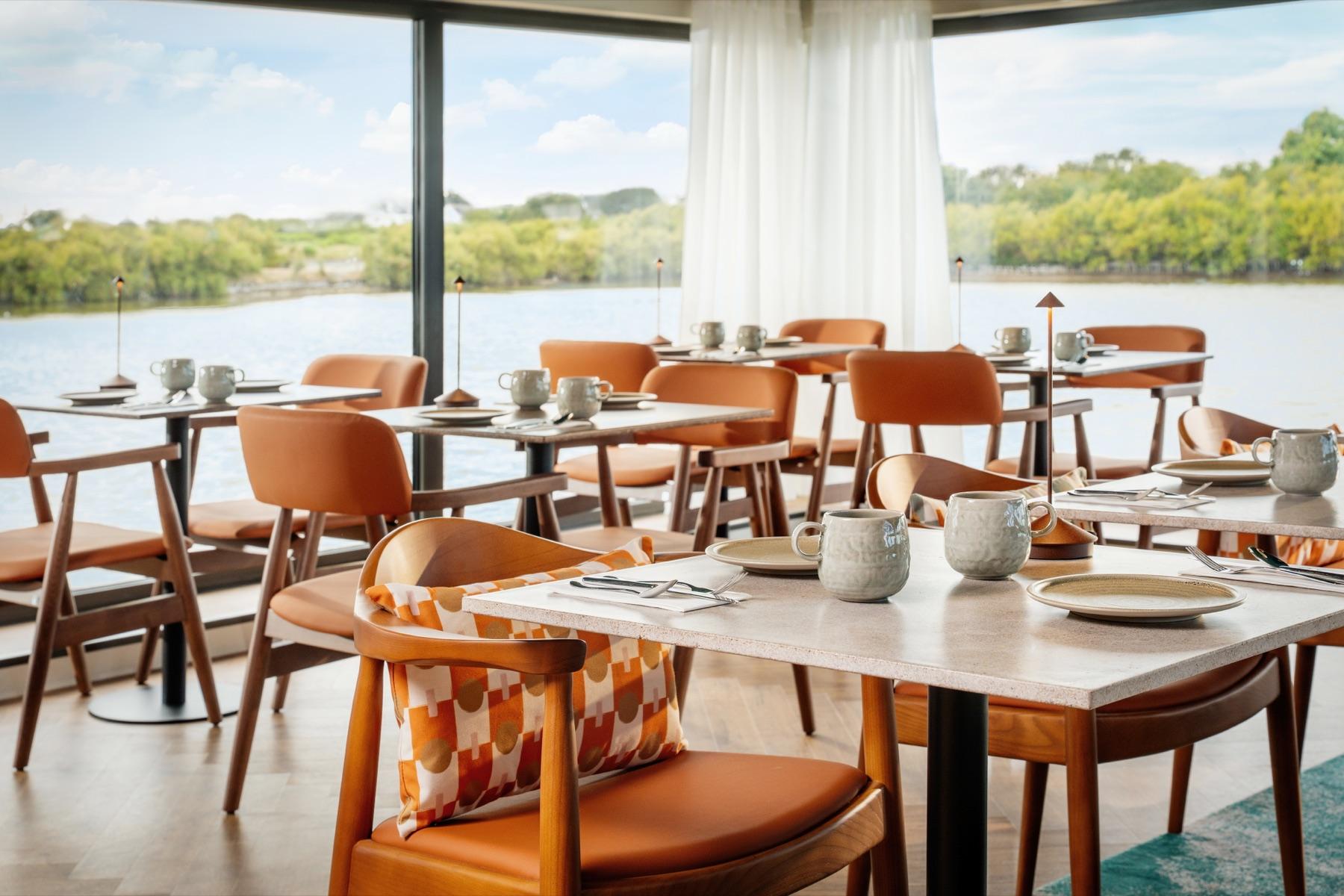
What constraints and standards apply to hospitality furniture?
Hospitality furniture must meet a range of requirements: safety, comfort, looks and durability. While some fire standards apply first to the premises, the choice of materials and the layout of the furniture are still regulated.
Before choosing, look into local and national regulations: each region may impose specific standards (fire resistance, ergonomics, hygiene). By anticipating these constraints and opting for furniture that is solid, comfortable and suited to intensive use, you offer a safe and welcoming environment.
Safety and strength
- Intensive use: chairs, tables and banquettes must withstand wear, knocks and daily movement.
- Stability: furniture must be stable enough to prevent falls and tipping.
- Fire resistance: some coverings and paddings must meet fire-reaction standards, especially in public buildings.
Comfort and ergonomics
- Ergonomics: table heights, seat shape and layout affect the customer experience and staff efficiency.
- Comfort: quality chairs and banquettes encourage guests to stay longer and boost satisfaction.
Hygiene and upkeep
- Easy-to-clean materials: favour non-porous surfaces (treated wood, metal, synthetic coverings) or ones that are simple to maintain.
- Layout: a good arrangement eases movement, limits the risk of accidents and simplifies cleaning.
Durability and environmental impact
- Sturdiness: quality materials (solid wood, hard-wearing metal, eco-materials) ensure a long lifespan.
- Care for the environment: eco-designed furniture meets a growing consumer demand.
How to choose your hospitality furniture wisely?
Three habits for a sound choice:
Investing in quality hospitality furniture is not a mere expense but a profitable long-term strategy. By combining comfort, durability and design, you offer a unique customer experience and set your venue on a path to success.
Analyse your needs
- Take the venue's layout into account (floor area, service zones, customer flow).
- Define the style you are after (modern, vintage, industrial) and the intended use (dining room, lounge, terrace).
- Assess footfall to anticipate the quantity and sturdiness required.
Favour local suppliers
- Support the French economy and reduce your carbon impact with regional manufacturers.
- Make follow-up and after-sales service easier through geographical proximity.
- Choose partners who highlight the quality and traceability of their materials.
Opt for professional materials
- Select hard-wearing materials able to withstand intensive use.
- Combine durability and looks for a result that is both practical and attractive.
Our range
The Instead hospitality range
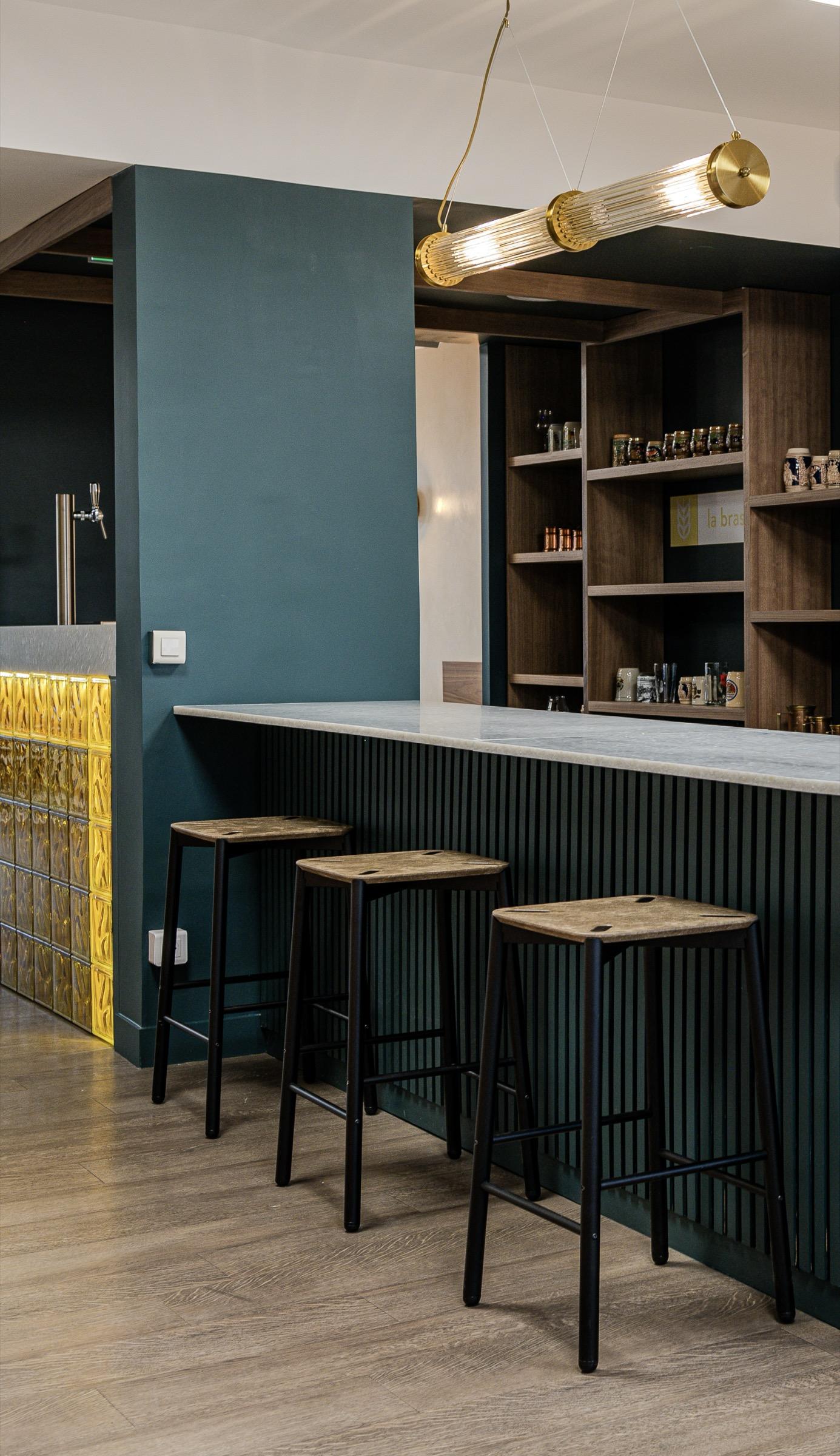
Bar stool
Newport Stool
The first sustainable bar stool made entirely in France from the grain left over from brewing beer.
From 217 € excl. VAT
View details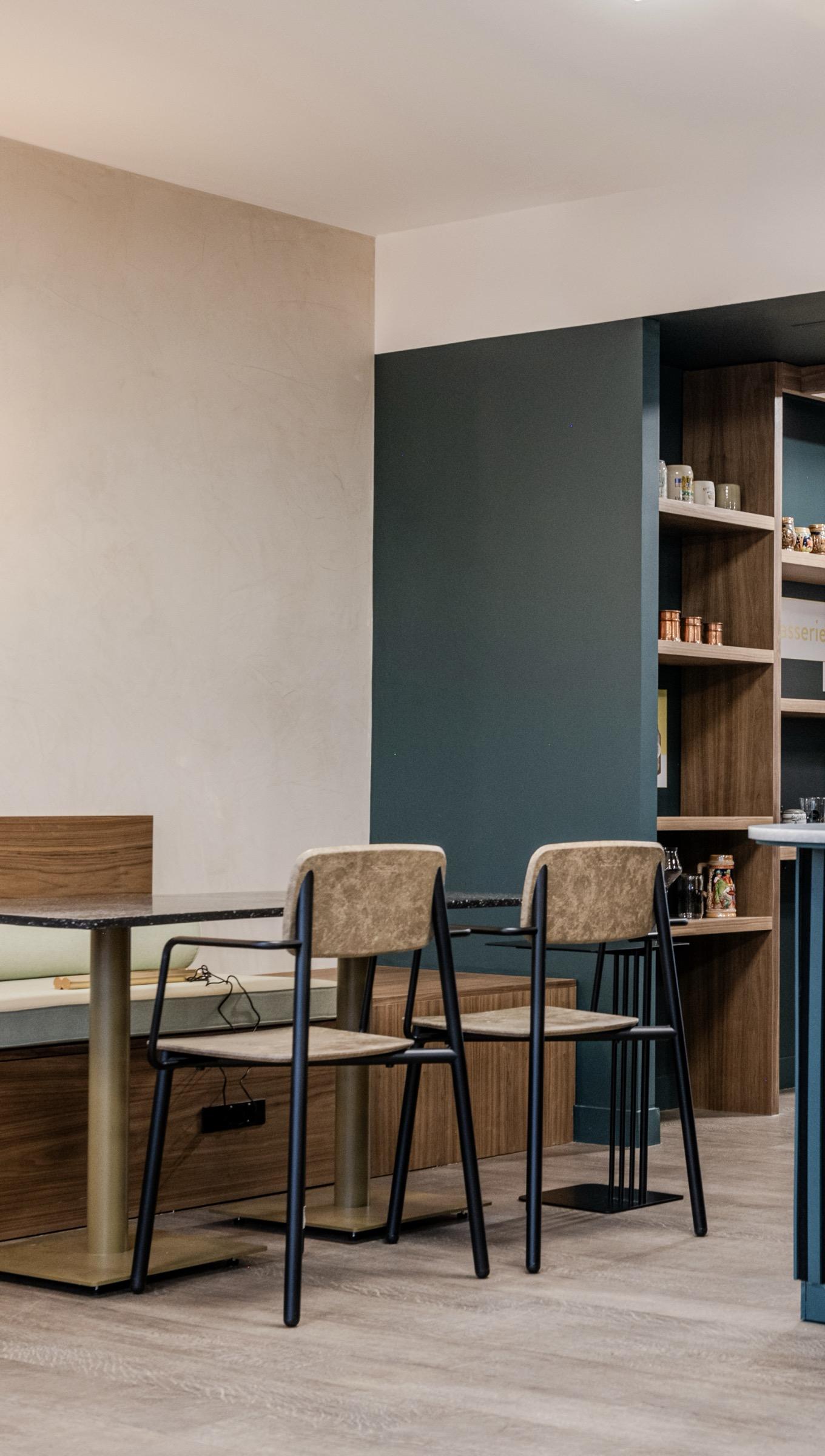
Chair
Ella Chair
The Ella chair is the result of years of work to design a sustainable chair made 100% in France.
From 309 € excl. VAT
View details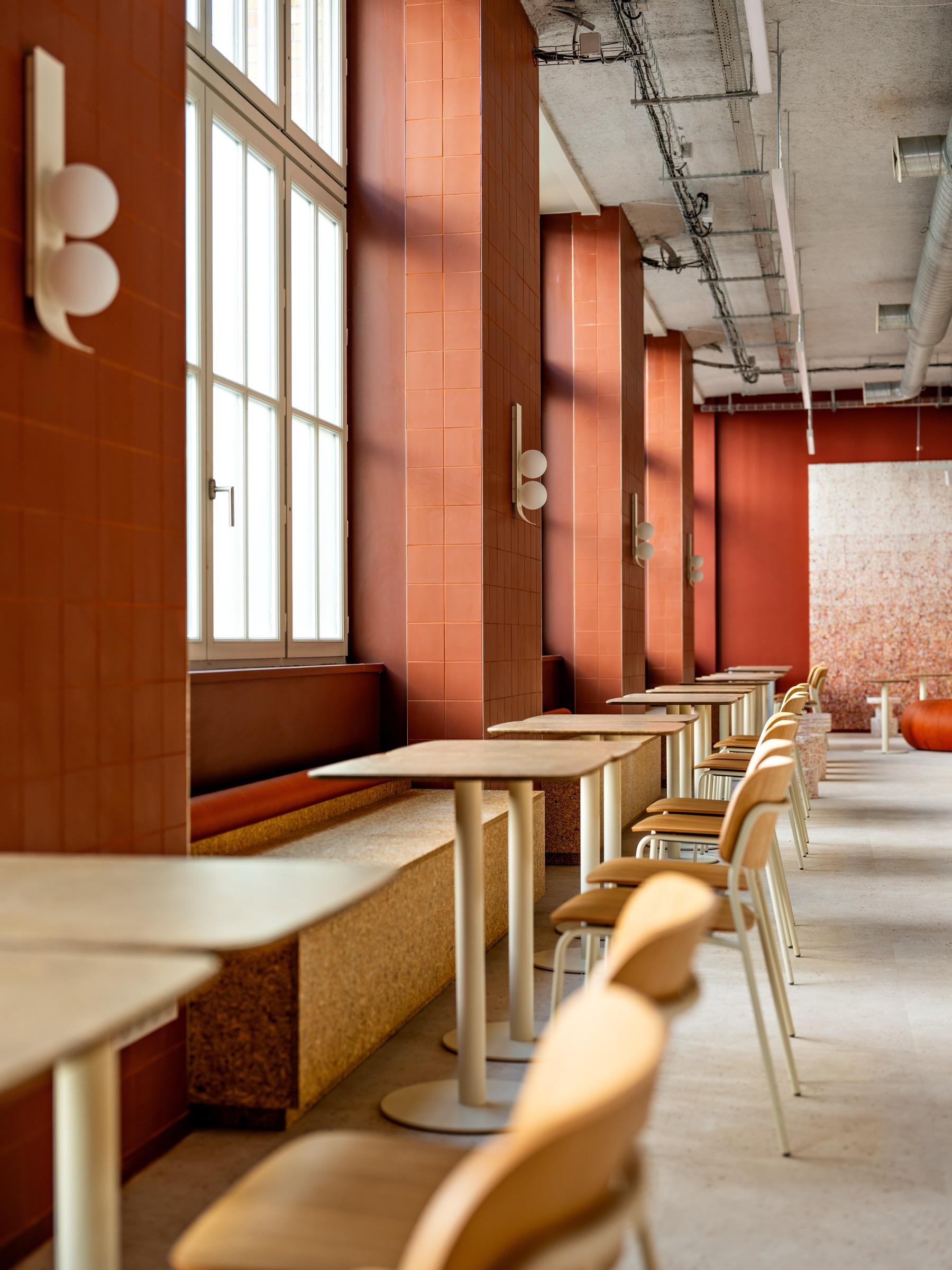
Modular table
Cicero Table
The Cicero table reinvents the bistro table in a low-carbon version.
From 341 € excl. VAT
View detailsClient references
Hospitality references
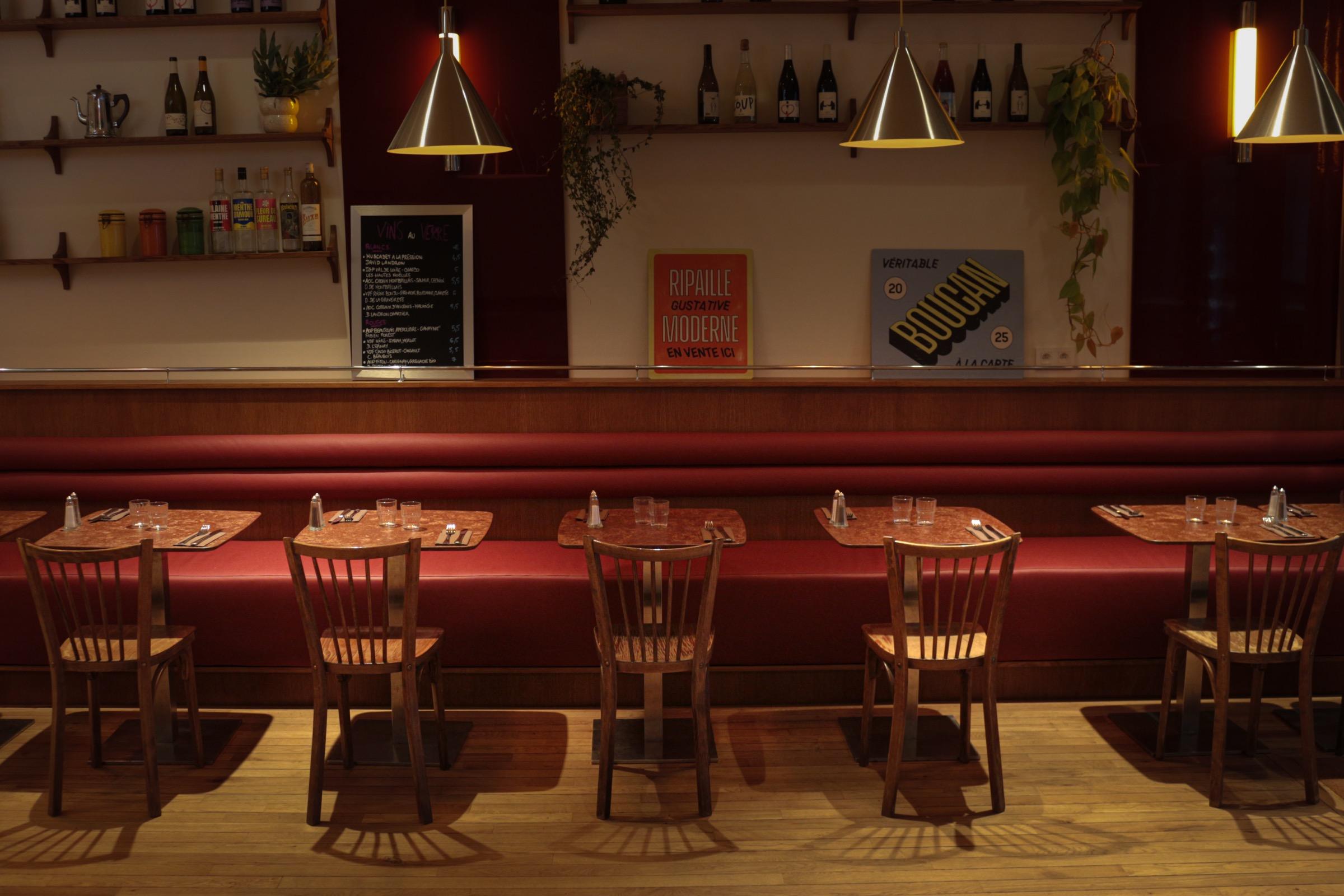
Boucan
Bar & BrewpubNantes, France
Boucan bar in Nantes fitted out with Newport bar stools and Cicero tables in recycled Balt®.
View the projectMashup
Bar & BrewpubNantes, France
The Mashup bar-brewery in Nantes equipped with Newport stools in custom red Balt® · a signature project for Instead.
View the project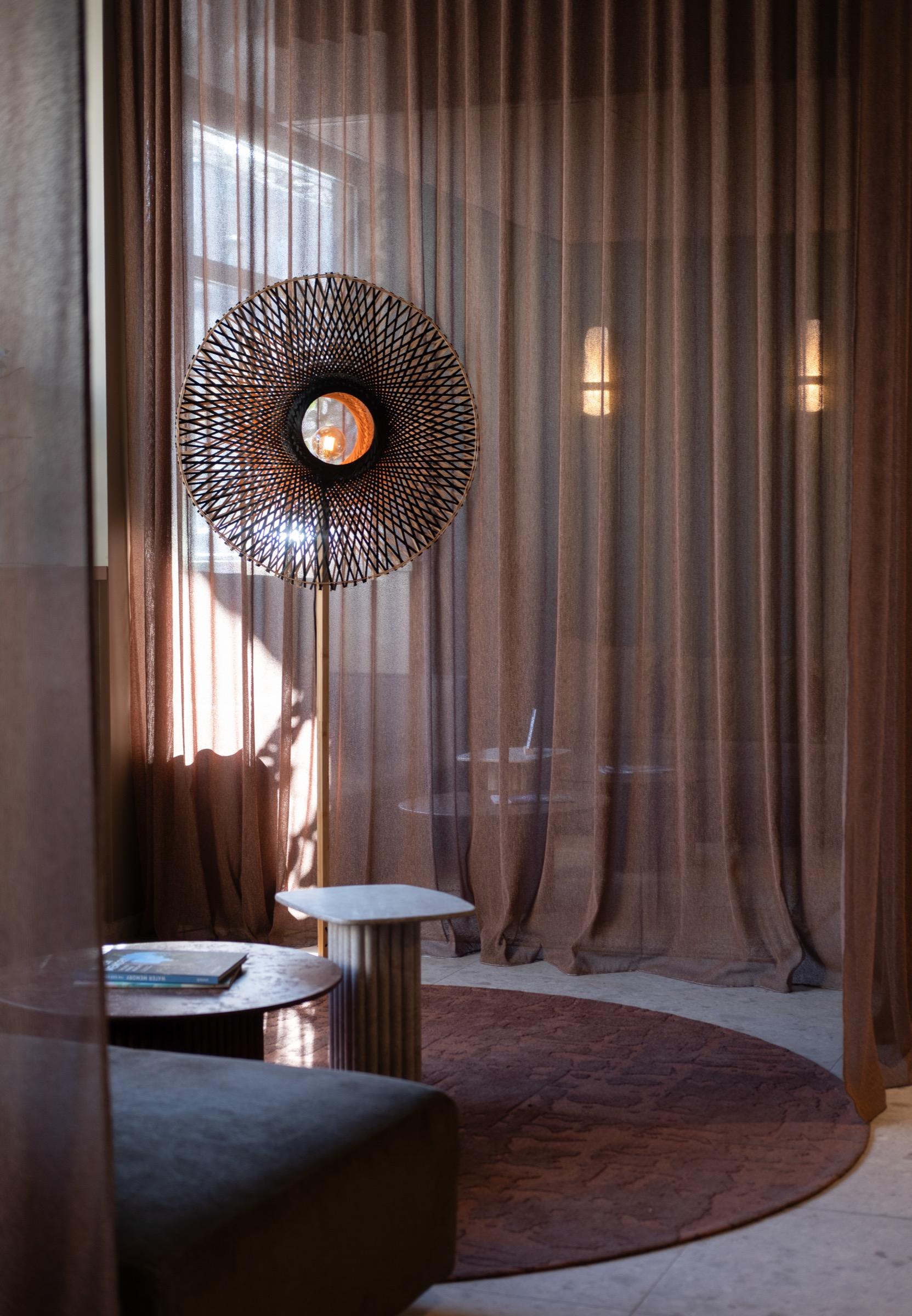
Oceania Hotels
HotelsLyon, France
The restaurant and lounge of the Oceania hotel in Lyon equipped with Cicero and Citra tables in recycled Balt®.
View the projectFAQ
Frequently asked questions
What is the CHR (hospitality) sector in professional furniture?
CHR stands for Cafés, Hôtels et Restaurants - the professional catering and accommodation sector. Hospitality furniture meets specific sturdiness standards: resistance to intensive daily use, easy upkeep, resistance to knocks and liquids. Instead certifies its entire range for this type of use.
Is Instead furniture suitable for terraces?
The current range is designed for indoor use only. Balt® withstands humid environments (restaurant, bar, kitchen), but is not treated for direct exposure to UV and the weather. An outdoor range is in development - contact us to be told first.
Can hospitality furniture be customised to a venue's colours?
Yes, it is one of the strengths of the Instead range. The steel frame is available in more than 100 RAL colours. Balt® comes in 8 standard finishes and can be tinted to order according to your specifications.
What is the lead time for a hospitality project?
6 to 8 weeks for a standard order. For large projects or bespoke colours, lead times are adjusted according to volume. Contact us with your site plans and schedule for a precise timeline.
2026 catalogue
The whole range, in one document.
Product sheets, dimensions, finishes and trade prices.