Office furniture
Office Furniture: the guide to creating an ergonomic and functional workspace
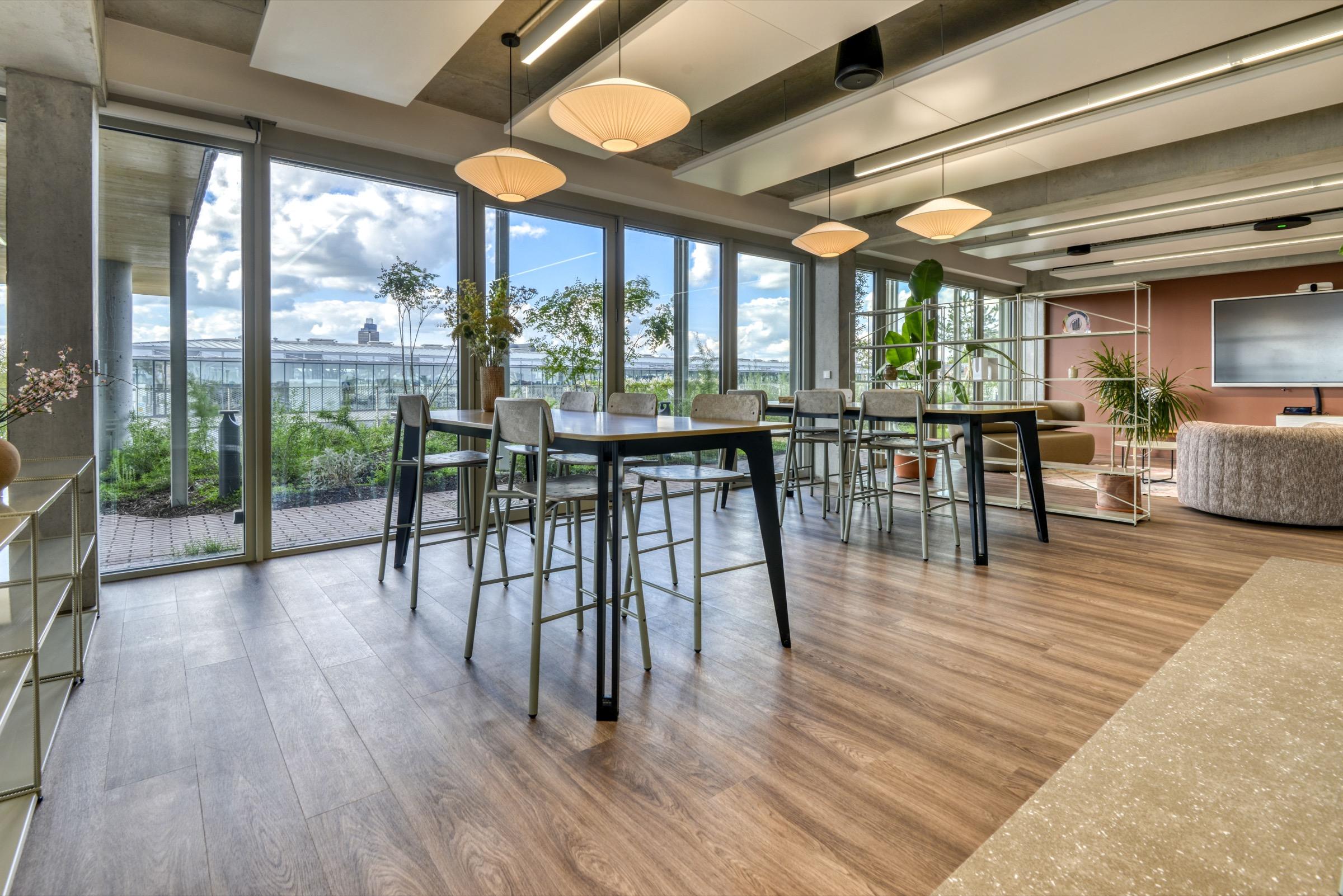
How to choose office furniture suited to your needs?
The choice of office furniture is a key element of a high-performing workspace: it affects employee comfort, productivity and the company's image. Open-plan office, private office or coworking space, good professional furniture must combine ergonomics, looks and durability.
1. Ergonomics and comfort: essential criteria
- Height-adjustable desks to suit each user.
- Ergonomic chairs with adjustable lumbar support and armrests.
- Footrests and monitor stands to reduce muscle strain.
- Desks with built-in cable management for a well-organised space.
Tip: a sit-stand desk encourages a dynamic posture and limits the effects of a sedentary routine.
2. Making the most of space: finding the right balance
- Open-plan: modular, partitionable desks to reconcile concentration and collaboration.
- Private offices: suitable dimensions, with enough storage.
- Coworking spaces: meeting tables, shared desks and acoustic booths for flexible spaces.
Tip: acoustic partitions, absorbent wall panels and green plants dampen noise and improve acoustic comfort.
3. Durability and ease of upkeep
- Hard-wearing materials: solid wood, metal or high-pressure laminate.
- Easy-to-clean finishes for quick upkeep.
- Sturdiness suited to intensive use, for a lasting investment.
Tip: adaptable, repairable furniture avoids waste and extends its lifespan.
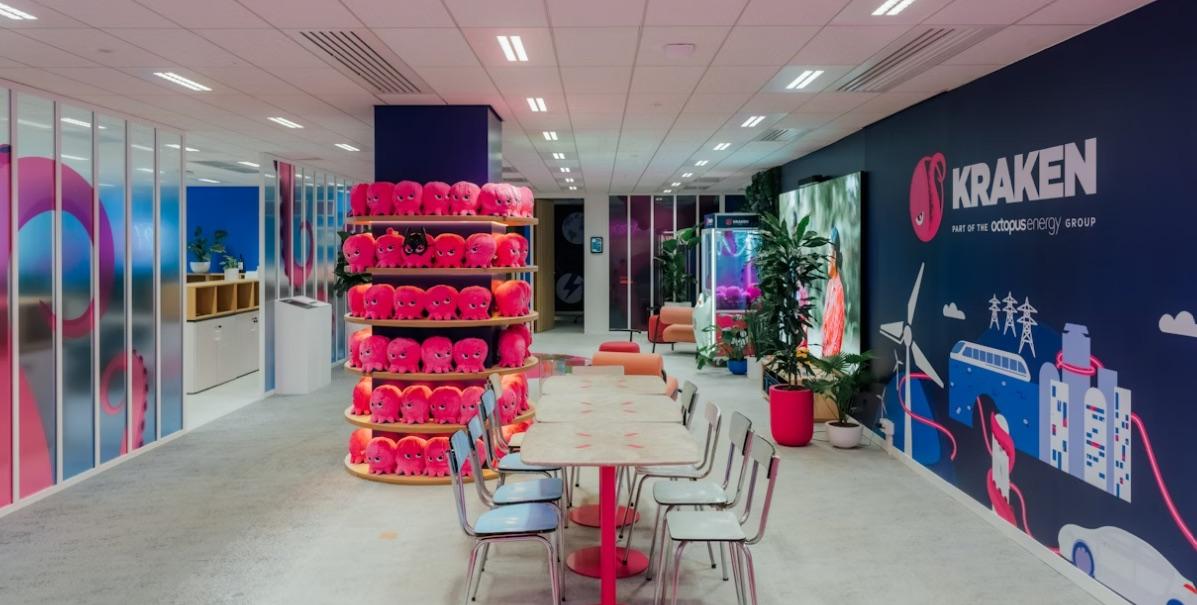
The essential furniture types for an efficient office
Four families structure a functional workspace: the desk, the chair, storage, and meeting and break-out areas.
The desk: the centrepiece
- Straight desks: classic and versatile, ideal for individual spaces.
- Corner desks: perfect for making the most of small areas.
- Sit-stand desks: for a dynamic posture and the prevention of musculoskeletal disorders.
- Shared desks: with dividers for concentration in a shared space.
Selection criteria: size suited to the space, sturdy and easy-to-maintain materials, built-in storage and cable management.
Office chairs: comfort and ergonomics
- Adjustable lumbar support to prevent back pain.
- Adjustable armrests to reduce tension in the shoulders.
- A comfortable, breathable seat.
Tip: an ergonomic chair reduces fatigue and improves posture over the long term.
Storage: organisation and practicality
- Desk pedestals with lockable drawers.
- Wall shelves and bookcases to save space.
- Storage cupboards for filing documents and supplies.
Meeting and break-out areas
- Extendable meeting tables, suited to growing teams.
- Sofas and armchairs for welcoming break-out areas.
- Acoustic pods for calls and video conferences.
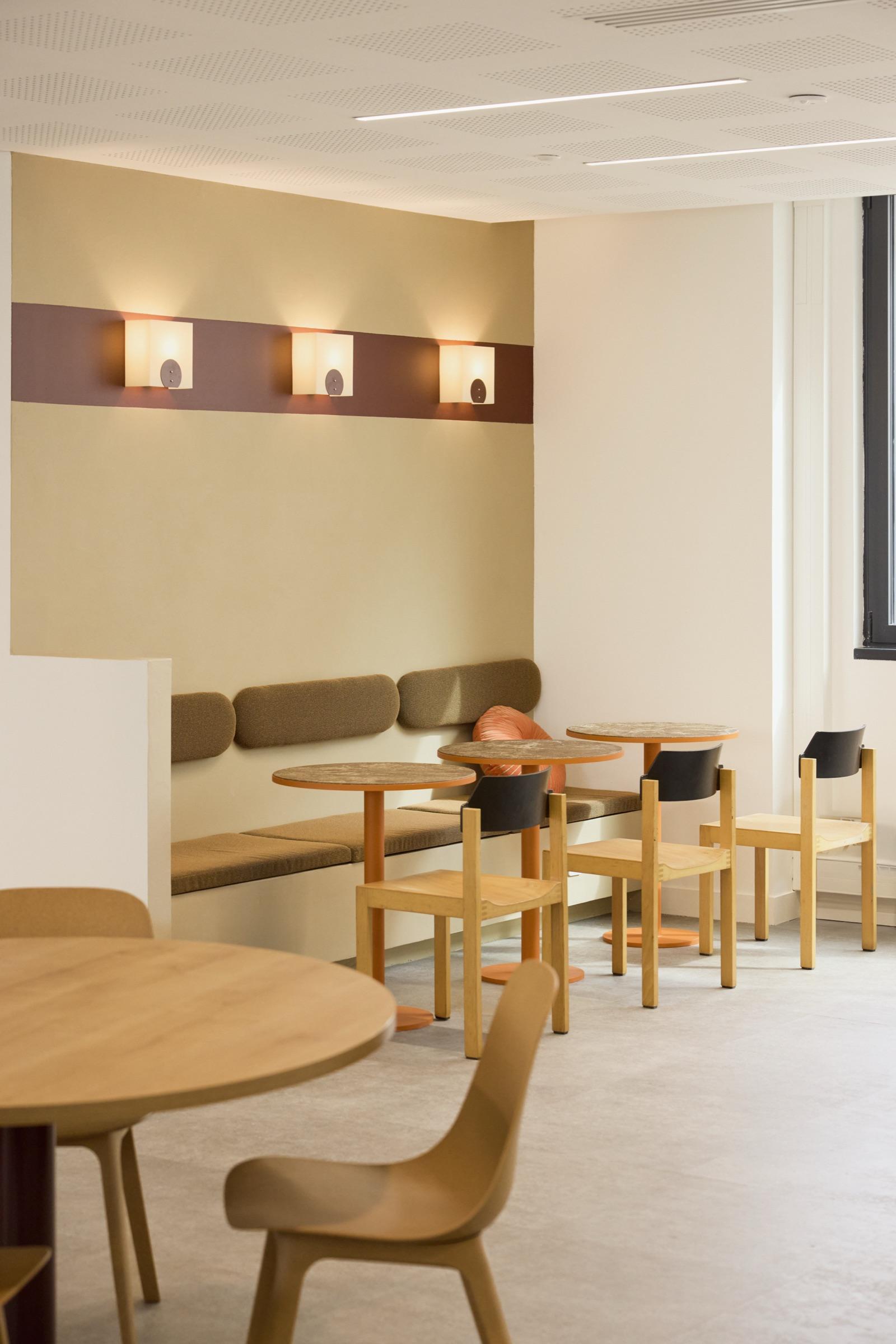
Current trends in office furniture
Two forces dominate office fit-outs: sustainability and flexibility.
Sustainable office furniture
- Use of recycled and recyclable materials.
- Local manufacture to reduce the carbon footprint.
- Modular, adaptable furniture to limit waste.
Flexible, modular offices
- Adjustable, mobile desks to suit everyone's needs.
- Removable partitions and acoustic panels to structure the space without walling it off entirely.
- Hybrid furniture (sofas with built-in sockets) for maximum flexibility.
Eco-materials such as Balt® fit squarely into this trend: recycled, bio-based and built to last.
The mistakes to avoid when choosing office furniture
Four classic pitfalls:
- Neglecting ergonomics: a poorly suited chair or desk causes back pain and lower productivity.
- Choosing furniture that does not fit the space: too big, it hampers movement; too sparse, it lacks warmth.
- Forgetting storage: a disorganised space harms concentration and creates stress.
- Ignoring acoustics: a noisy open-plan office harms concentration. Think about acoustic panels and phone booths.
Why opt for office furniture made in France?
More and more companies choose Made in France furniture for their offices:
- Quality and durability: sturdy materials designed for intensive use.
- Ecology: local production for a reduced carbon impact.
- Safety and ergonomics standards met.
In short: an optimal working environment
Office furniture is a key lever for employee wellbeing and efficiency. By favouring ergonomic, durable solutions suited to your spaces, you foster a pleasant and productive working environment.
- Opt for ergonomic, modular furniture.
- Favour hard-wearing, easy-to-maintain materials.
- Provide enough storage to keep the space organised.
- Rely on sustainable, local furniture for a lasting commitment.
Our range
The office and coworking range
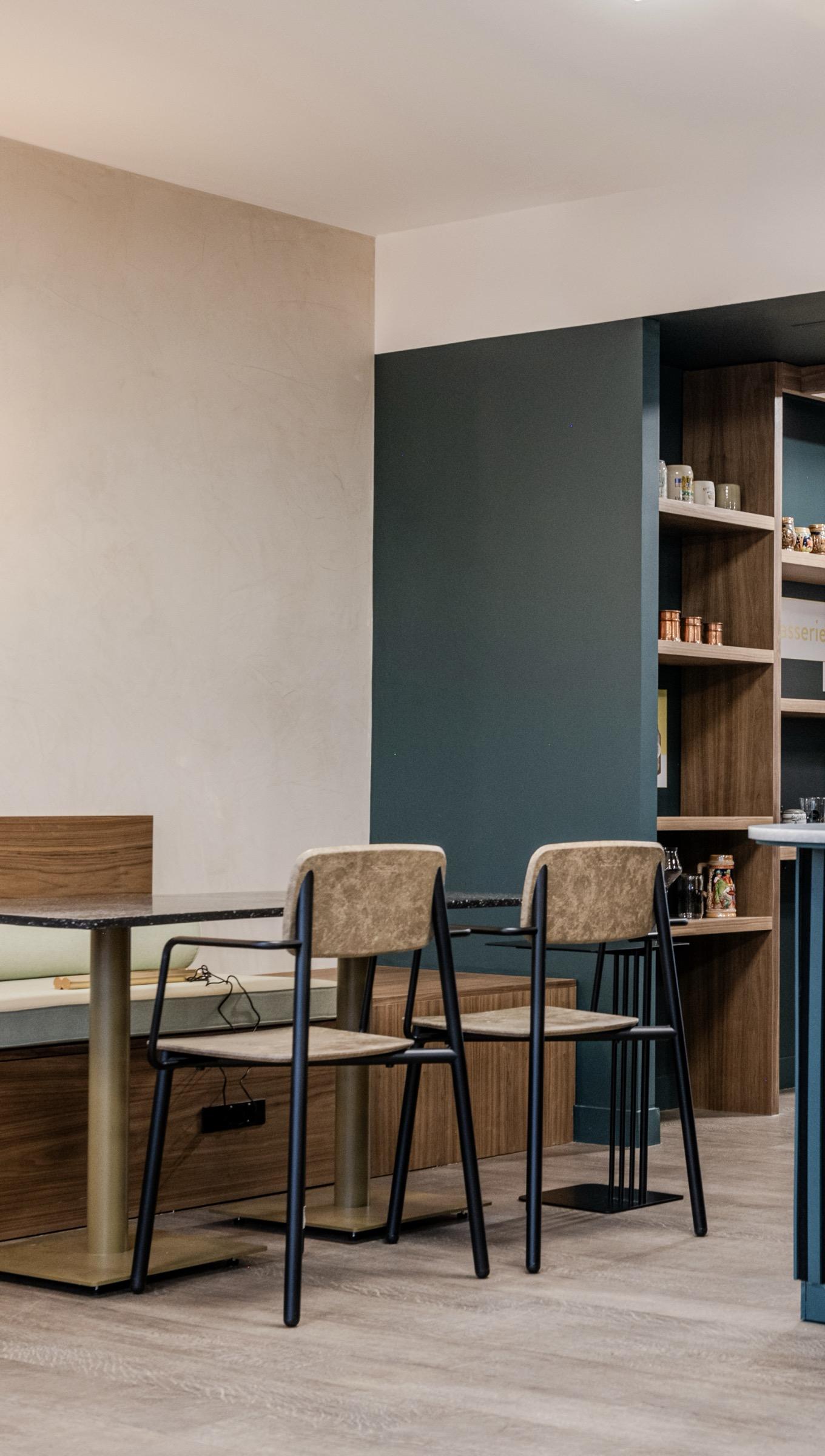
Chair
Ella Chair
The Ella chair is the result of years of work to design a sustainable chair made 100% in France.
From 309 € excl. VAT
View details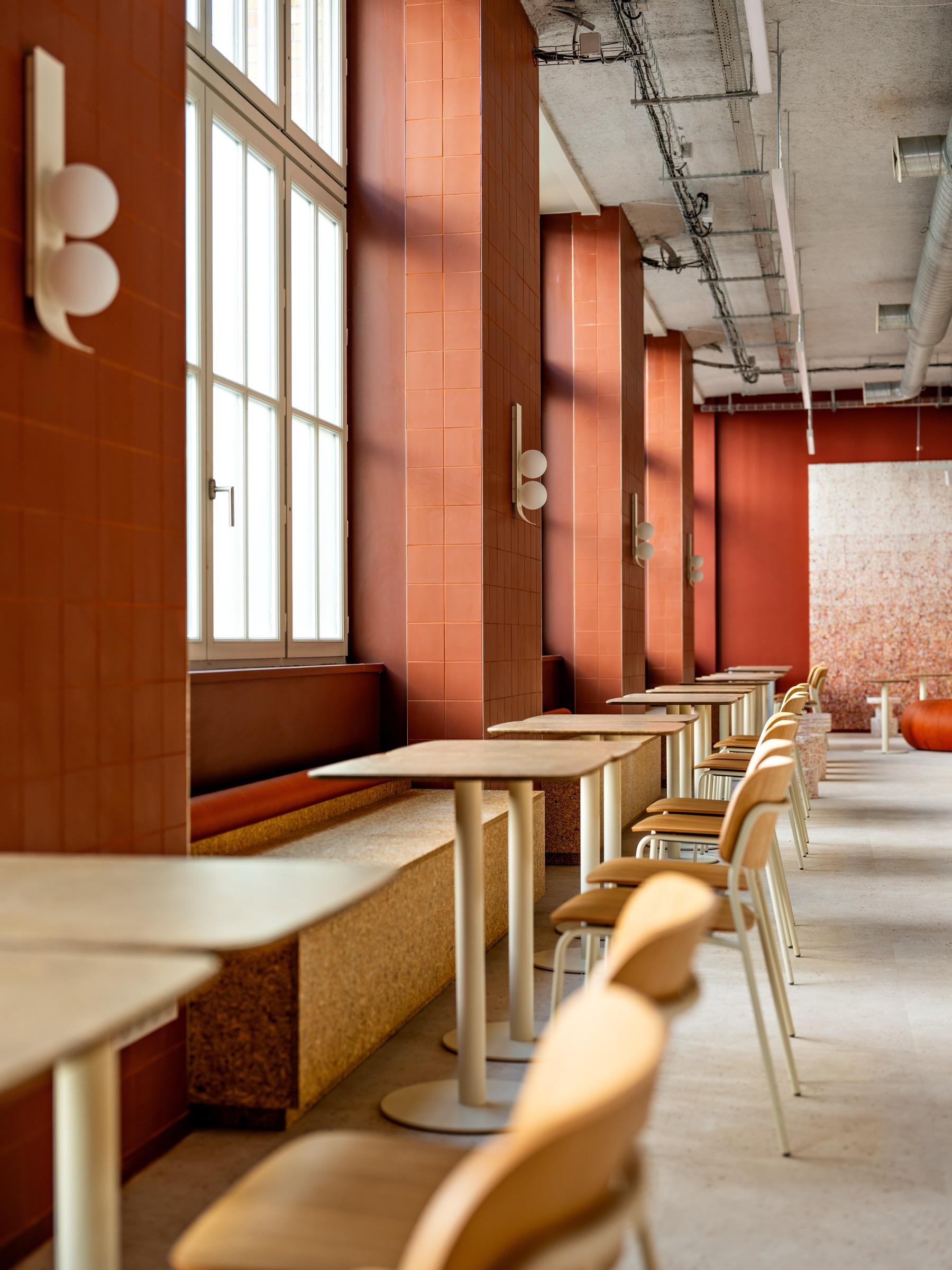
Modular table
Cicero Table
The Cicero table reinvents the bistro table in a low-carbon version.
From 341 € excl. VAT
View details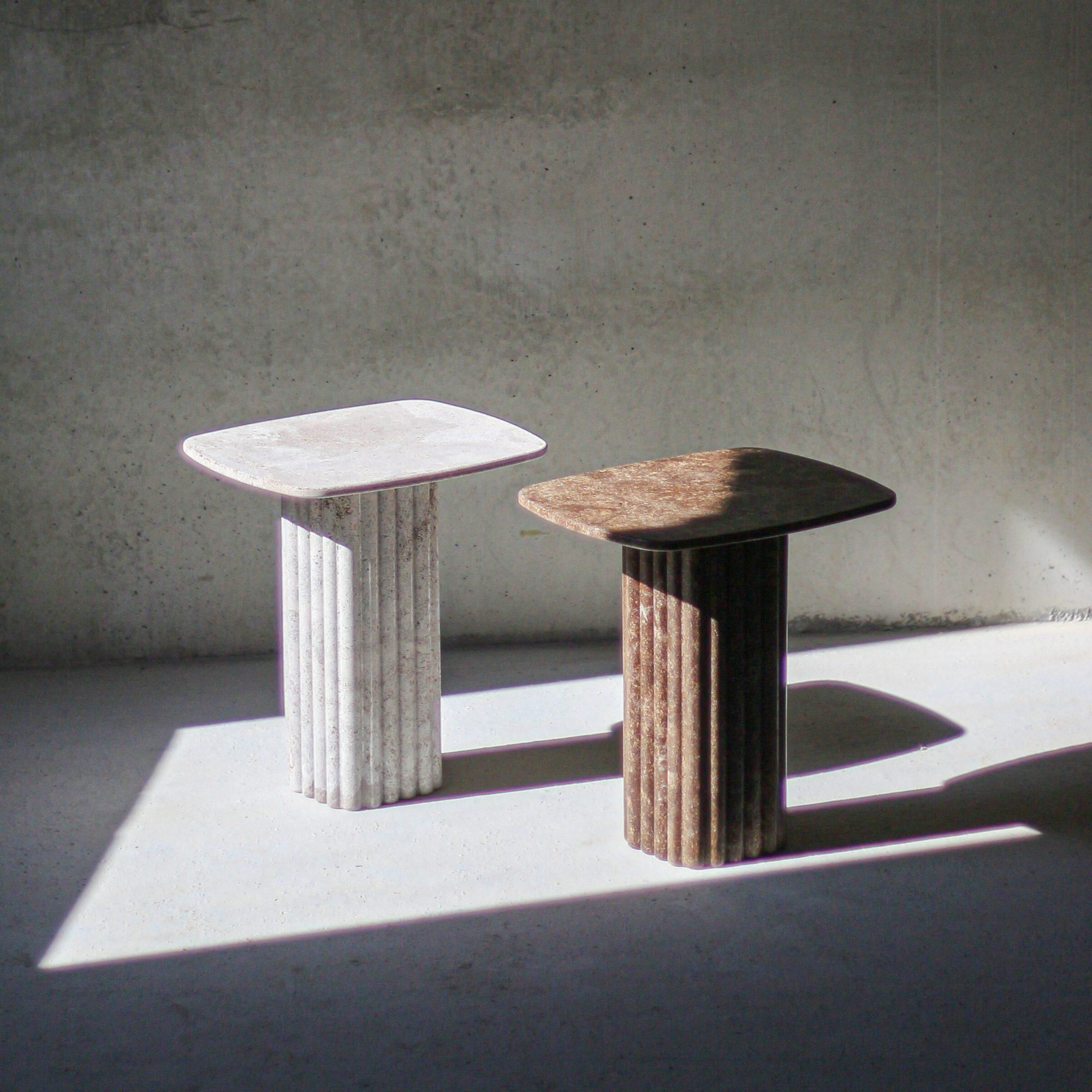
Side table
Citra Side Table
All volume and movement, our Citra side table is made from 100% recycled, bio-based materials.
From 317 € excl. VAT
View detailsClient references
Office & coworking references
Lhyfe
OfficeNantes, France
Lhyfe's head office in Nantes fitted out with Ella chairs and Ella bar chairs in recycled Balt®.
View the project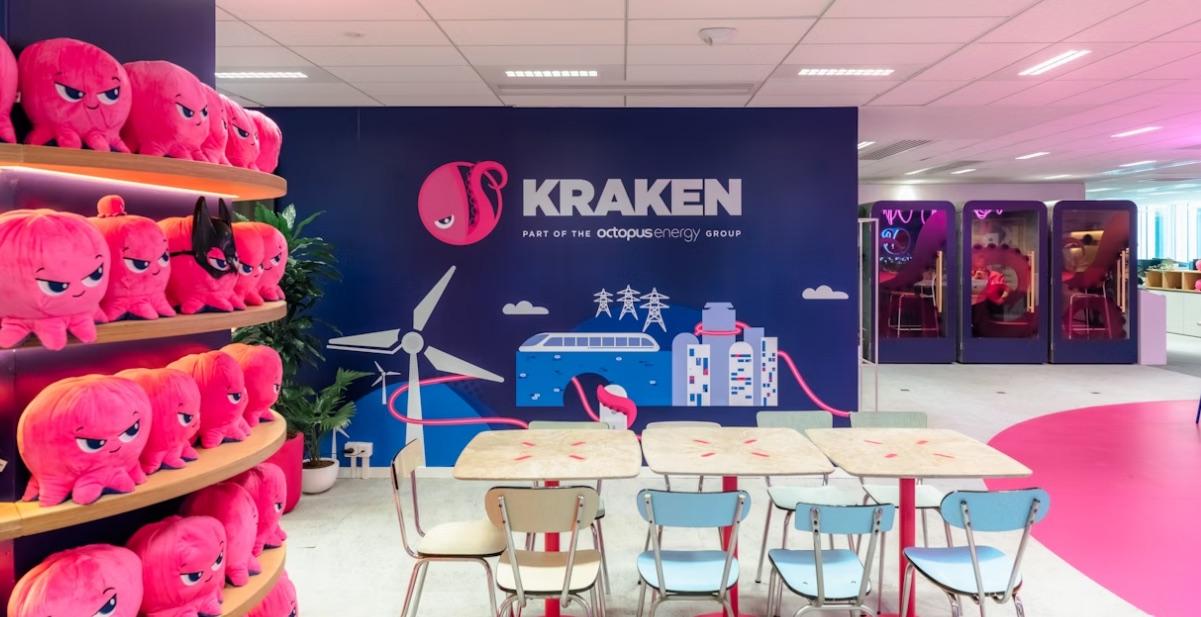
Octopus Energy
OfficeParis, France
Octopus Energy's Paris offices fitted out with eco-responsible Newport tables, in partnership with Deskeo.
View the project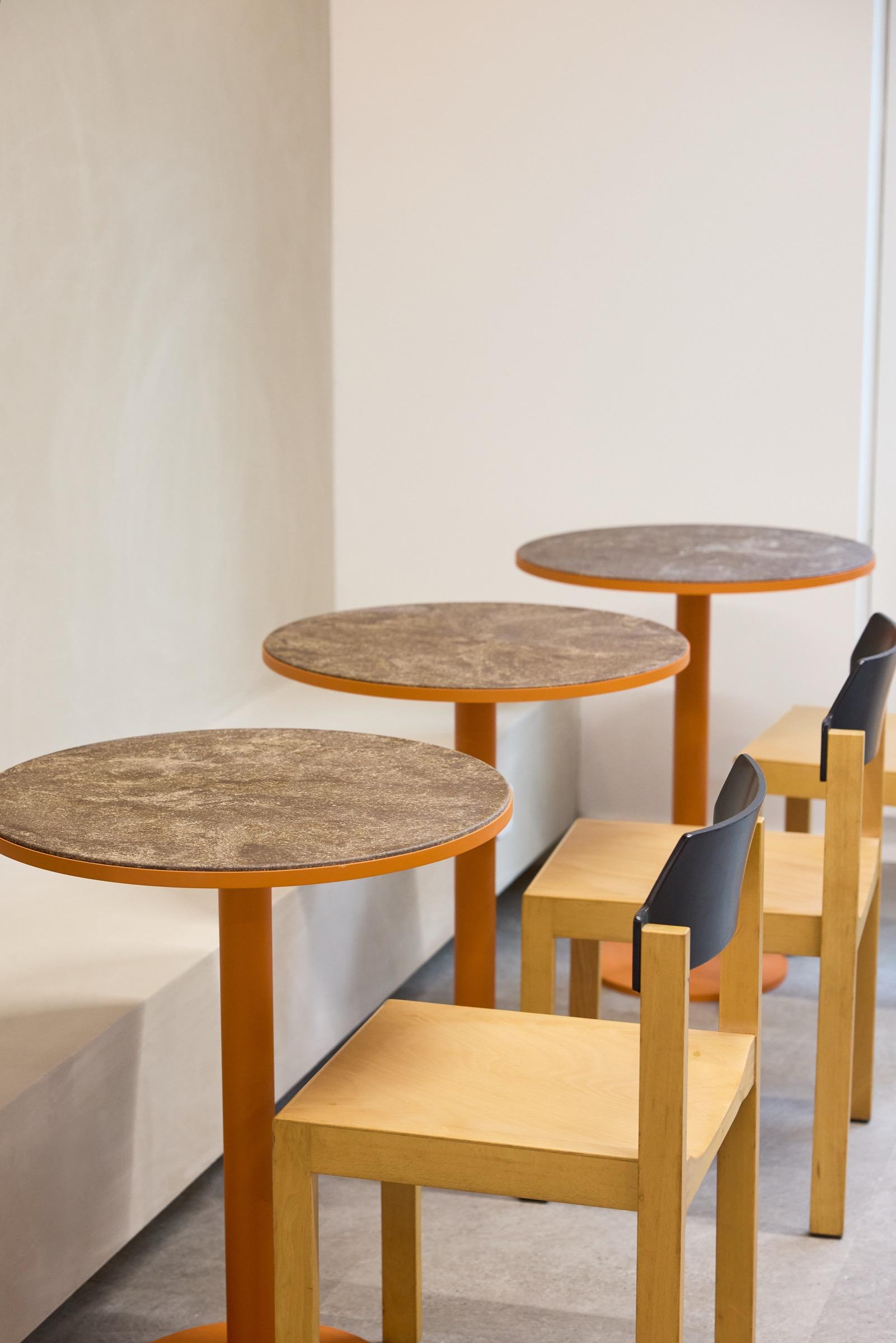
Morning Coworking
CoworkingBoulogne-Billancourt, France
The Morning coworking space in Boulogne-Billancourt fitted out with bespoke table tops in recycled Balt®.
View the projectFAQ
Frequently asked questions
How does eco-certified furniture contribute to a CSR policy?
Furniture certified Éco-Impact A provides hard, directly usable figures: product LCA, percentage of recycled content, carbon footprint per unit. These figures fit into a carbon assessment (Scope 3), a non-financial report (CSRD) or a responsible-purchasing strategy.
Is Instead furniture suited to daily office use?
Yes. The range is tested for intensive professional use - a maximum load of 150 kg on the Ella chair. Balt® resists scratches and daily wear. Clean with a damp cloth.
Can office furniture be ordered bespoke?
Yes. Instead works to order for complete fit-out projects: custom colours, tailored dimensions, specific configurations. Contact us with your plans for a quote.
What is the lead time to fit out an office or a coworking space?
6 to 8 weeks for a standard order. For projects involving bespoke colours or a large volume, lead times are to be confirmed according to the workshop's workload.
2026 catalogue
The whole range, in one document.
Product sheets, dimensions, finishes and trade prices.